Tsurezure Moss A Quiet Half Day in Bustling Tokyo
Creating a Miniature Japanese Garden with Moss in Asakusa
By Wan Ge and Qingcheng in Tokyo
Even near Asakusa, where the streets teem with visitors, there are quiet places where people can step away from the rush for a few hours. Masaki Takeda, whom we interviewed for this story, runs a project called Tsurezure Moss at Jusen-in Temple. Both the name and the atmosphere of the experience are deeply connected to the temple setting.
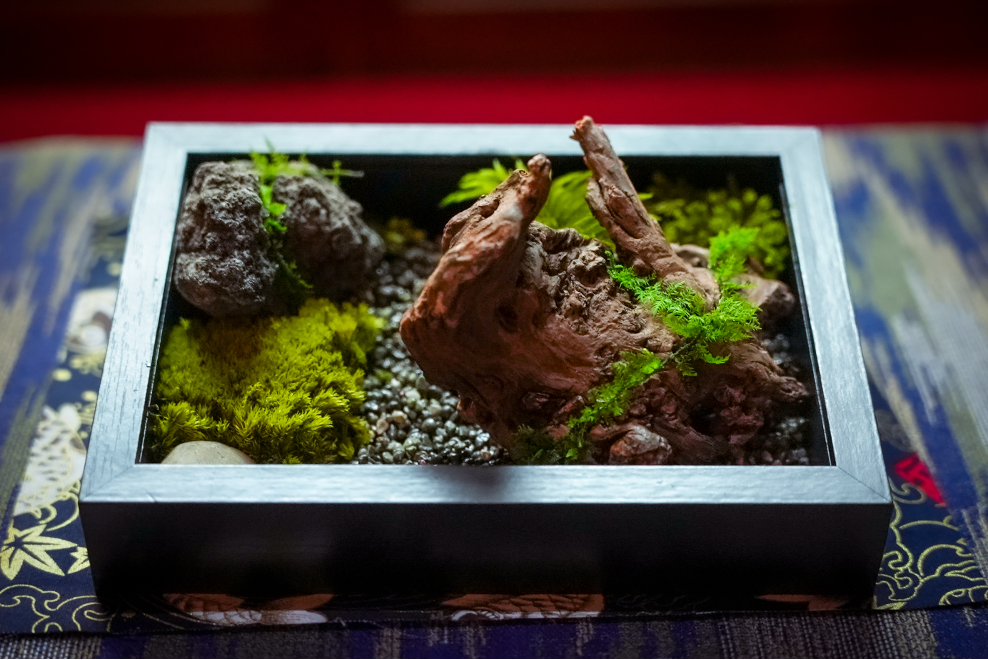
Tsurezure Moss does not teach the theory of Japanese garden design. Instead, participants use a few stones, a tuft of fresh green moss and a little sand to build a miniature garden with their own hands. The materials can also be arranged inside a small bottle to make a vivid moss charm. Takeda says no one is hurried to finish. Stones and moss can be moved again and again, and participants may take as long as they like to consider the empty spaces.
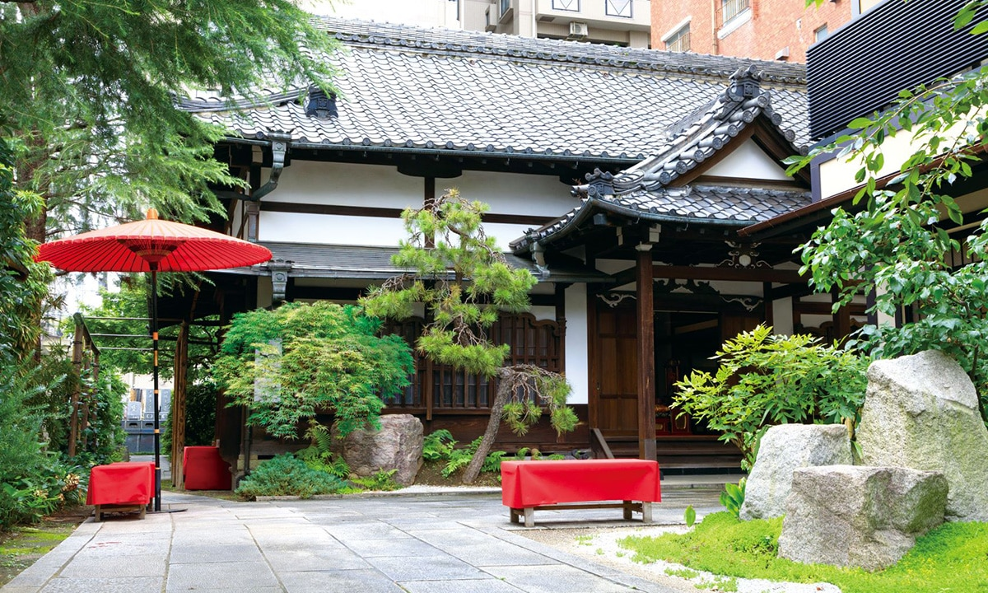
For a while, they can set aside the demands of everyday life, find calm in the middle of a noisy city and discover the simple, enduring beauty of Japanese culture.
Moss on Stone and Time Measured in Centuries
Tsurezuregusa, or Essays in Idleness, is one of Japan’s three great collections of essays. It is known for the detached wisdom that emerges from its understated prose. The name Tsurezure Moss was inspired by this classic.
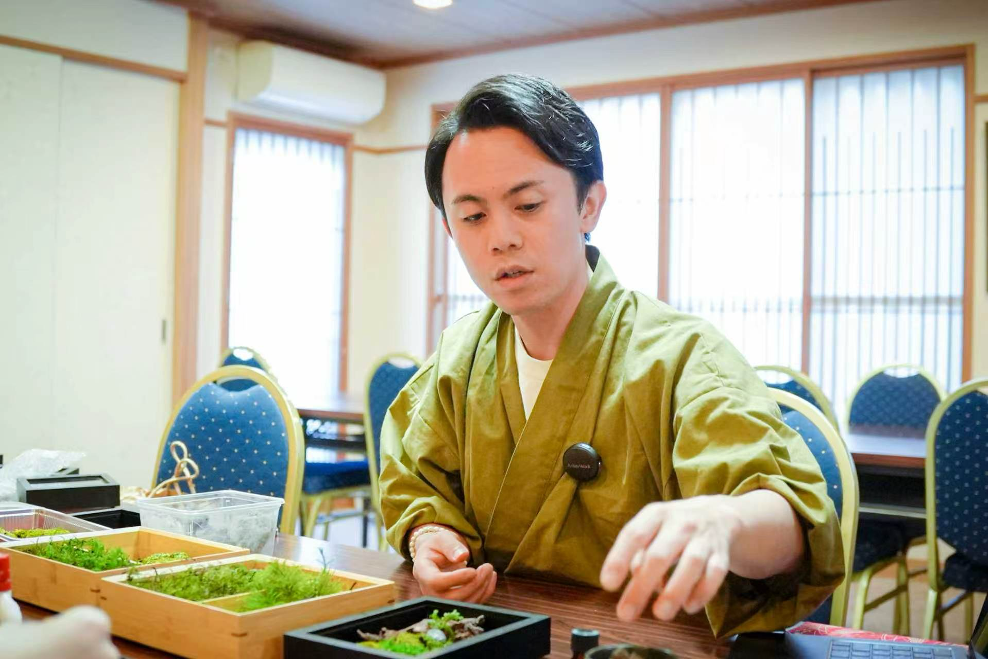
“Society is always changing, but some things remain the same when people seek happiness,” Takeda said. “Time spent making something here with family or friends is exactly the kind of thing that is easiest to overlook when life is busy.”
It takes time measured in centuries for pebbles to become rock and for moss to cover its surface. Moss is therefore a symbol of time. Laying moss and placing stones in a small box also means imagining the passage of years. Why is this stone here? How much wind and rain has it endured? There is no single correct answer. Takeda says this kind of concentration can be relaxing. With the same stones and moss, one person may create a mountain stream while another evokes the stillness of a dry landscape garden. Each work reflects its maker’s state of mind.
Turning Perishable Moss into Art That Lasts
Takeda began making miniature landscapes with natural moss as a hobby. Living moss, however, grows and eventually dies, and the carefully arranged scenery would inevitably change.
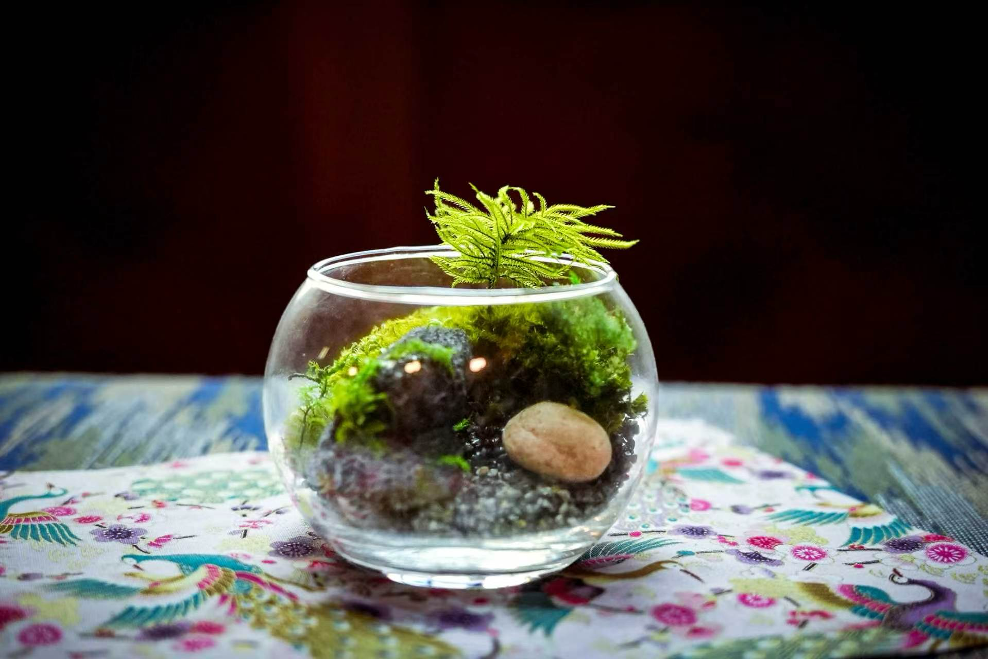
“I did not want to cultivate moss,” he said. “I wanted to create a small world that belonged to one person alone.”
After qualifying as an instructor with the Japan Moss Art Association, Takeda began using MOSSTURE, a material developed by the association’s head, Takeshi Yamagata. It is natural moss treated for preservation, so it requires no watering and retains its color and softness over time.
“It is not a plastic imitation. It is real moss, and it can even be taken onto an airplane,” Takeda stressed. “This is what I was looking for.”
Time Immersed in Culture at a Temple
Yoshida Kenko, the author of Tsurezuregusa, was not only an essayist but also a Buddhist monk, commonly known as Kenko Hoshi. Inspired by the work’s title and its monastic author, Takeda wanted from the outset to base his cultural experience in a temple that offered quiet amid the city. Jusen-in gave cultural entrepreneurs a way to collaborate on a modest scale, allowing the young founder to launch his restorative project at relatively little cost.
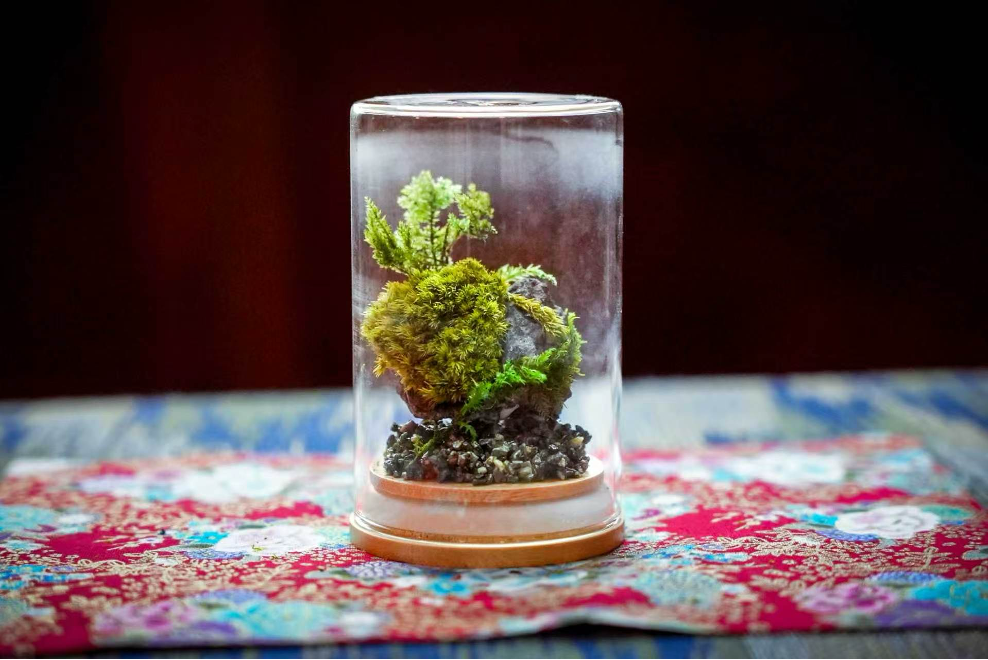
The workshop can be booked online. Americans make up the largest group of Takeda’s customers, alongside visitors from the Philippines and elsewhere. What surprised him was that the finished object was often not what participants remembered most. “Many people tell me the happiest part was that they had a real conversation with a Japanese person,” he said.
Sightseeing itineraries often move too quickly to allow travelers to talk at length with local people. Around a box of moss, however, a discussion that begins with where to place a stone can naturally expand to garden aesthetics, anime and everyday life. Asked about recent debate in Japan over foreign tourists, Takeda said, “There are certainly foreign visitors who do not follow the rules, but most of the people I meet are friendly and respectful of Japanese culture.”
Adding Fragrance and Expanding the Path into Traditional Culture
Takeda currently works for an educational foundation. He has long asked what, beyond textbooks, deserves to be passed on to the next generation. Mutual understanding and respect, as well as the culture accumulated by a society over time, often become meaningful only through firsthand experience.
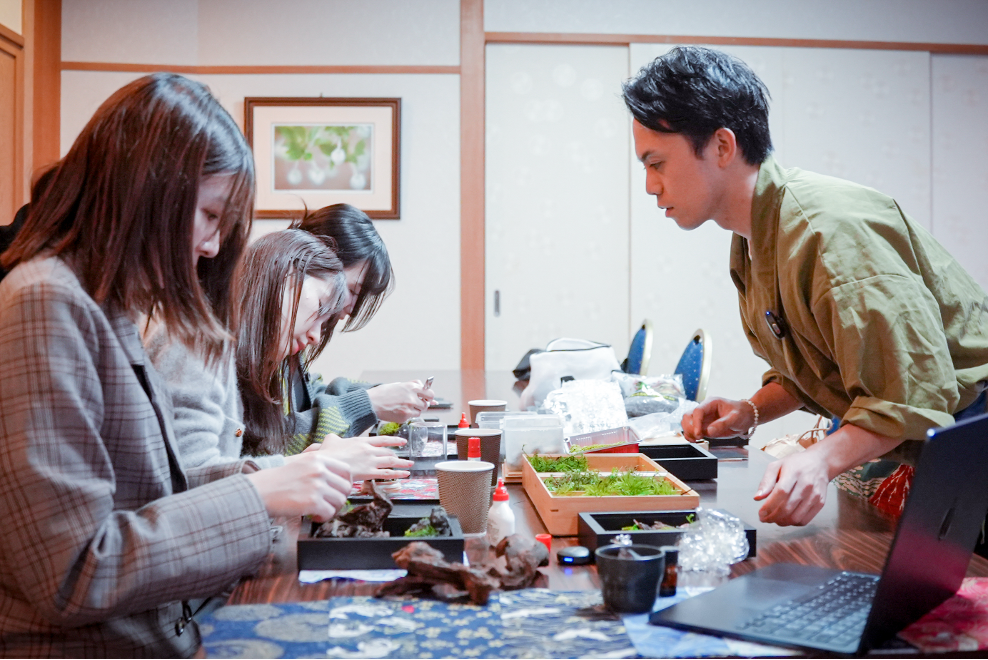
“I am not yet a fully established artist,” he said. “What I am better at is organizing activities and communicating with people.”
His wife, who studied at an art college, advises him on design and operations. Takeda has kept his regular job and teaches workshops only on his days off. He is also discussing a collaboration with an Asakusa fragrance brand inspired by ukiyo-e, hoping to add scent to the experience. He would like to use paulownia boxes made by a long-established craft shop as containers. In the future, he plans to combine moss art with dry landscape gardens, wagashi sweets and matcha to create a broader range of Japanese cultural experiences.
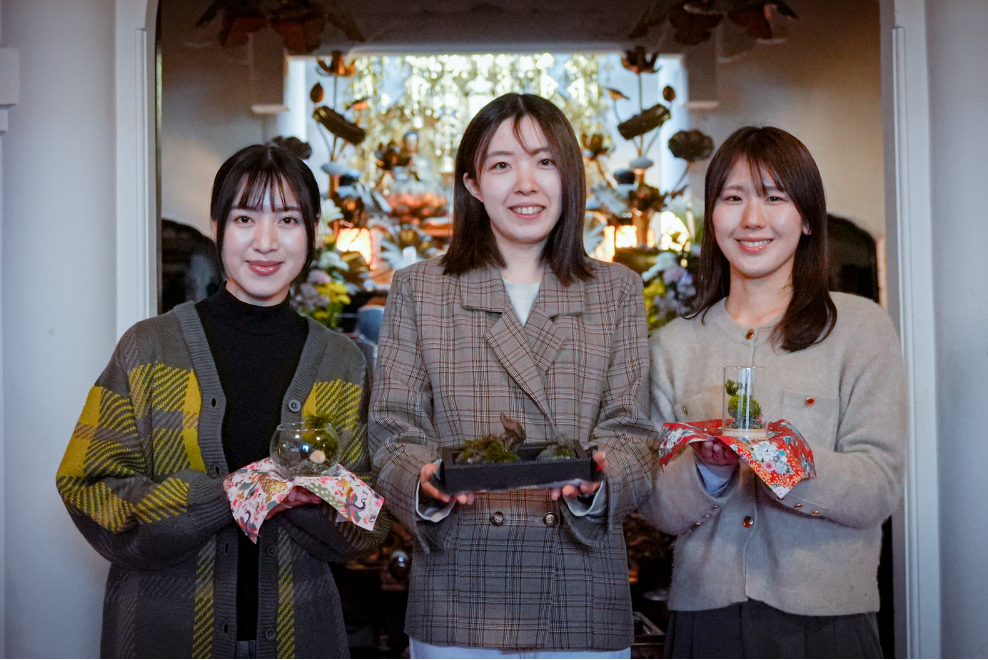
From August 22 to September 30 this year, Tsurezure Moss raised funds on the crowdfunding platform CAMPFIRE. It attracted five supporters and 31,000 yen, reaching 15.5 percent of its 200,000-yen goal. The result was not especially encouraging, but Takeda still plans to improve the workshop materials, prepare an English introduction and develop new courses.
More than scale, Takeda cares about whether each experience stays in a participant’s memory. What Tsurezure Moss offers is not merely a finished object, but a piece of history, a story, an emotion and a beautiful interval of unhurried time.