What Is Driving North Korea’s Economic Acceleration?
By Kelly in Tokyo
North Korea’s economy grew an estimated 3.5% in 2025, marking a third consecutive year of growth above 3%, according to the Bank of Korea’s latest assessment. The South Korean central bank estimates North Korean output because Pyongyang does not publish comprehensive official economic statistics.
The rebound has pushed the economy above its 2017 level and appears to be driven by three main forces: stronger ties with Russia, deeper economic engagement with China and gradual domestic adjustment.
Russia Provides the Biggest Short-Term Boost
Russia has become North Korea’s most important source of immediate economic momentum.
South Korean analysts estimate that North Korea earned more than $10 billion from arms sales to Russia. The resulting demand boosted manufacturing, while increased tourism and transport links supported services and logistics.
Manufacturing grew 6.6% in 2025, including a 7.8% rise in heavy and chemical industries. Construction expanded 6.3%, while services grew 1.8%.
China Provides Structural Support
China’s role is broader and more long-term.
North Korean delegations are increasingly studying Chinese production methods, quality control, equipment maintenance and distribution systems, suggesting that cooperation is moving beyond basic trade toward management and industrial know-how.
China–North Korea trade rose 19.6% year on year in the first half of 2026 to about $1.5 billion, the highest level since large-scale international sanctions were imposed in 2017.
The change suggests that Pyongyang is not only seeking Chinese capital and equipment, but also selectively learning from China’s development experience.
Domestic Policies Are Beginning to Shift
North Korea is also experimenting with limited economic adjustments.
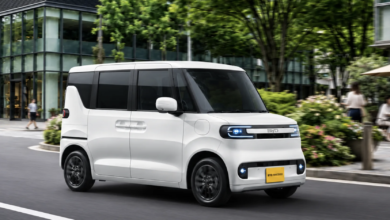
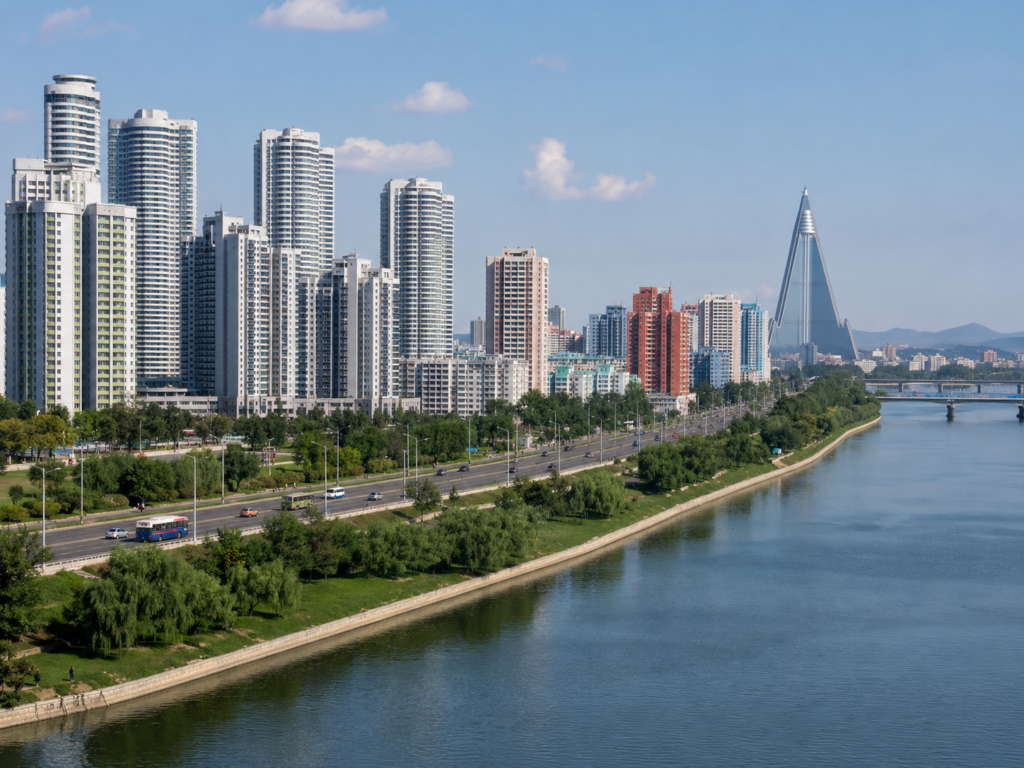
Its 2026–2030 development plan places greater emphasis on foreign trade and tourism, while small-scale commercial activity appears to be expanding. Chinese electric vehicles, QR-code payments and new consumer businesses are becoming more visible in major cities.
The government’s “Local Development 20×10 Policy,” which aims to build 20 light-industry factories every year for a decade, has also helped support consumer-goods production. The first 20 factories had entered operation by 2026.
These changes remain cautious and tightly controlled, but they indicate a gradual effort to stimulate domestic economic activity.
Northeast China Is a Key Gateway
Northeast China is becoming North Korea’s most direct economic corridor.
Border trade through Dandong in Liaoning and Hunchun in Jilin has increased, while construction on the long-delayed New Yalu River Bridge has accelerated. Once fully operational, the bridge could significantly increase freight capacity between the two countries.
This makes Northeast China an increasingly important link between North Korea’s domestic economy and external markets.
Recovery Remains Uneven
Not every sector is improving. Utilities contracted by 0.4% in 2025, while mining growth slowed sharply to 1.6% from 8.8% a year earlier.
The figures also need to be treated cautiously. Because North Korea does not publish official national accounts, outside estimates vary considerably.
Even so, the broader direction appears clear: North Korea has moved beyond the deepest contraction of the sanctions era and entered a period of gradual recovery.
Whether that recovery lasts will depend largely on the durability of economic ties with Russia and China, and on whether domestic industrial reforms can continue to generate growth.