A Century-Old Paulownia Box, Carrying Japan’s Tradition of Thoughtful Giving
At Hakoyoshi, a sixth-generation family business, traditional kiribako carry not only treasured objects but also generations of trust.
By Fiona
Photography by Yanagida,Reporting by Zhao Shuhong and Nakano,Edited by Riky
TOKYO — In Okachimachi, in Tokyo’s Taito Ward, artisans have made their living for centuries. During the Edo period, silversmiths, hairpin makers and sword craftsmen worked throughout the neighborhood. Today, the area remains known for jewelry and traditional crafts. Tucked away on a quiet side street is a shop whose history reaches back to the first year of the Meiji era.
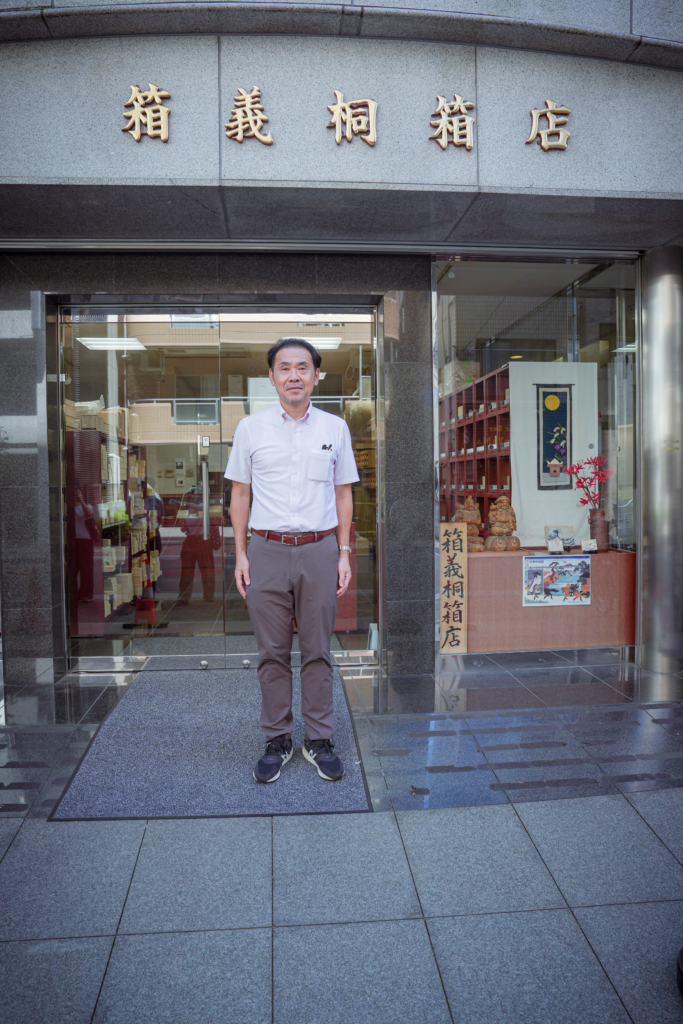
Founded in 1868, Hakoyoshi has been making traditional Japanese kiribako — paulownia boxes used to store and present valued objects — for more than 150 years.
Step inside and the walls are lined with pale wooden boxes. Some are large enough to hold a full tea set. Others are just big enough for a single ring.
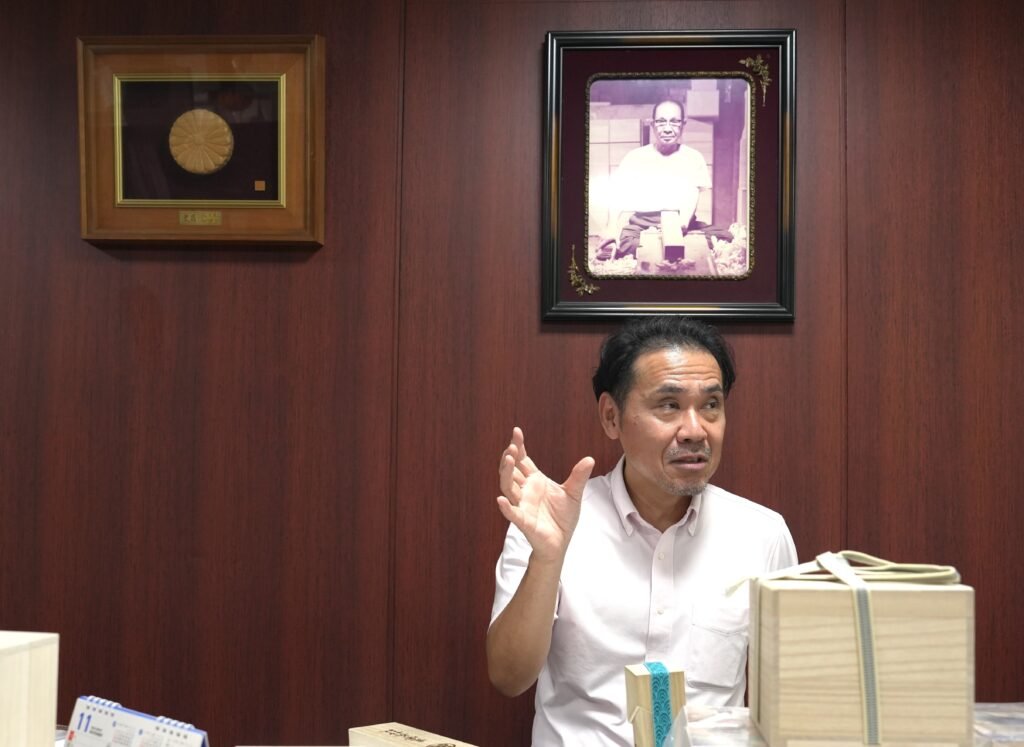
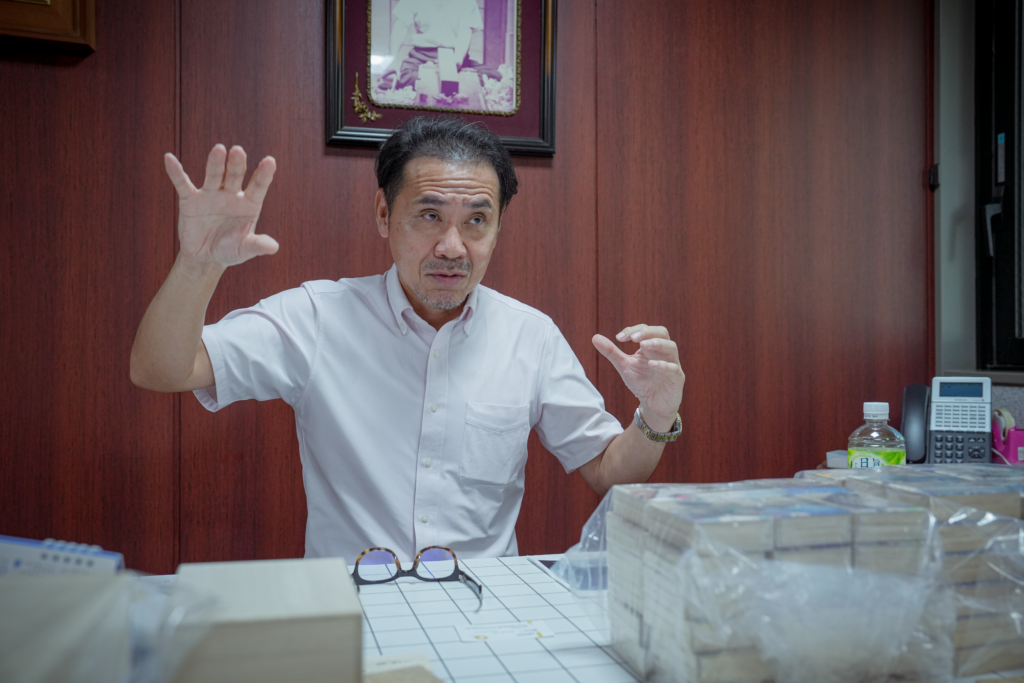
The business is now led by sixth-generation owner Shigeyoshi Tobari, whose measured manner reflects the quiet precision of the craft his family has carried forward.
“Our company philosophy says that we make, one by one and with great care, the things our customers will be happy to receive,” Tobari said. “That is what matters most to us.”
A Box Made by His Grandfather Came Back Decades Later
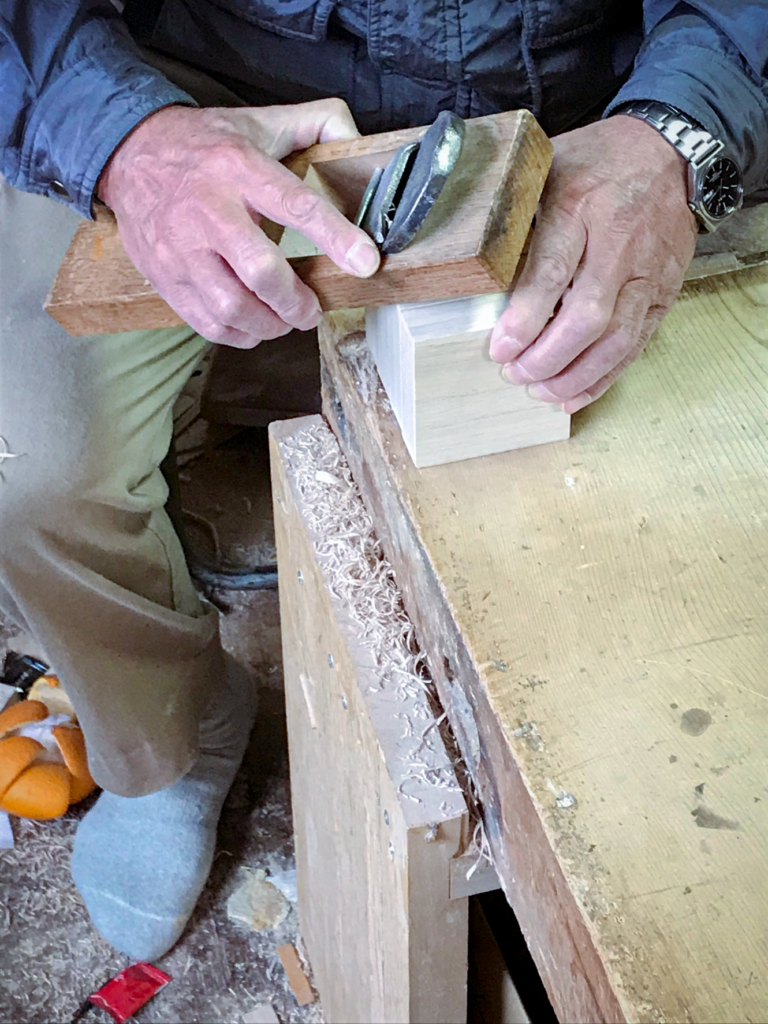
Paulownia boxes have an unusual quality: A thin layer of the surface can be carefully planed away, restoring the wood to an almost new appearance.
Traditional paulownia chests in Japan are sometimes described as furniture that can last “three generations” — passed from grandparents to children and then to grandchildren.
Tobari remembers one customer in particular. The customer brought back a paulownia box that had been made decades earlier by Tobari’s grandfather and asked to have it restored.
His grandfather had been both the head of the business and a craftsman who made boxes with his own hands. Tobari himself is not a box maker. But the moment he opened the old box, he knew.
“This really was made by my grandfather,” he recalled.
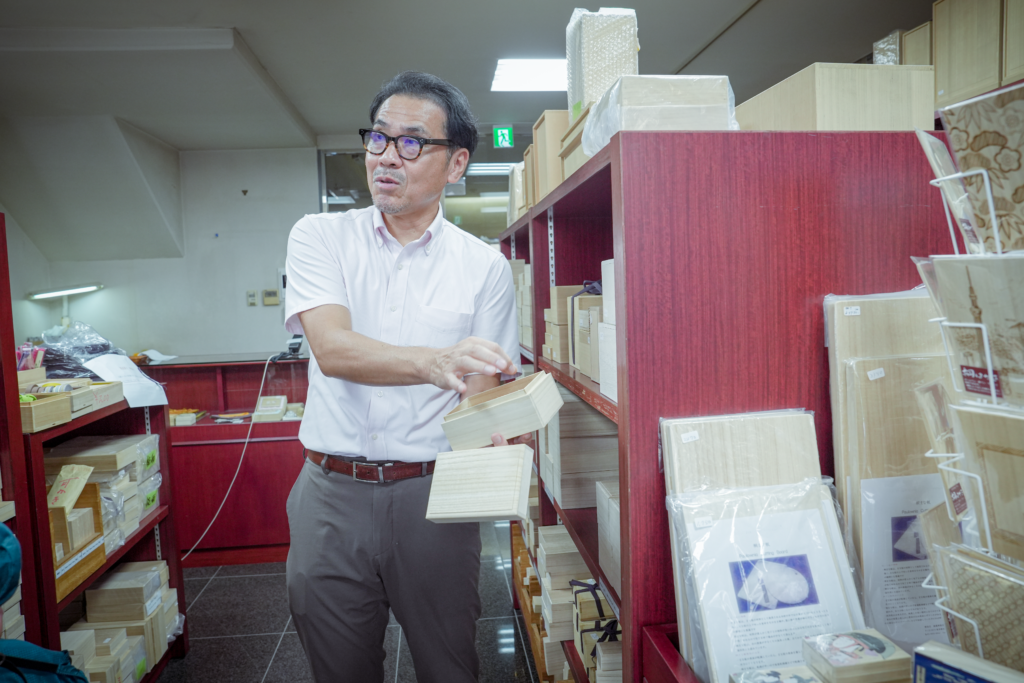
The experience was deeply personal. Hakoyoshi boxes can be found in museums and other important collections, Tobari said. But having an ordinary customer return with a box his grandfather had made decades earlier meant something different.
“The customer had used that box for decades and still didn’t want to throw it away,” he said. “Instead, they went to the trouble of bringing it back to us to have it restored.”
To Tobari, the box represented more than durability.
“It meant that something my grandfather made was still valued by the customer all those years later,” he said. “And that appreciation came back to Hakoyoshi. The trust between my grandfather and that customer had never really disappeared. Decades later, it was still continuing.”
What Japan Entrusts to a Paulownia Box
In Japan, a kiribako is not simply a container. Traditionally, it is used for objects that cannot be treated casually.
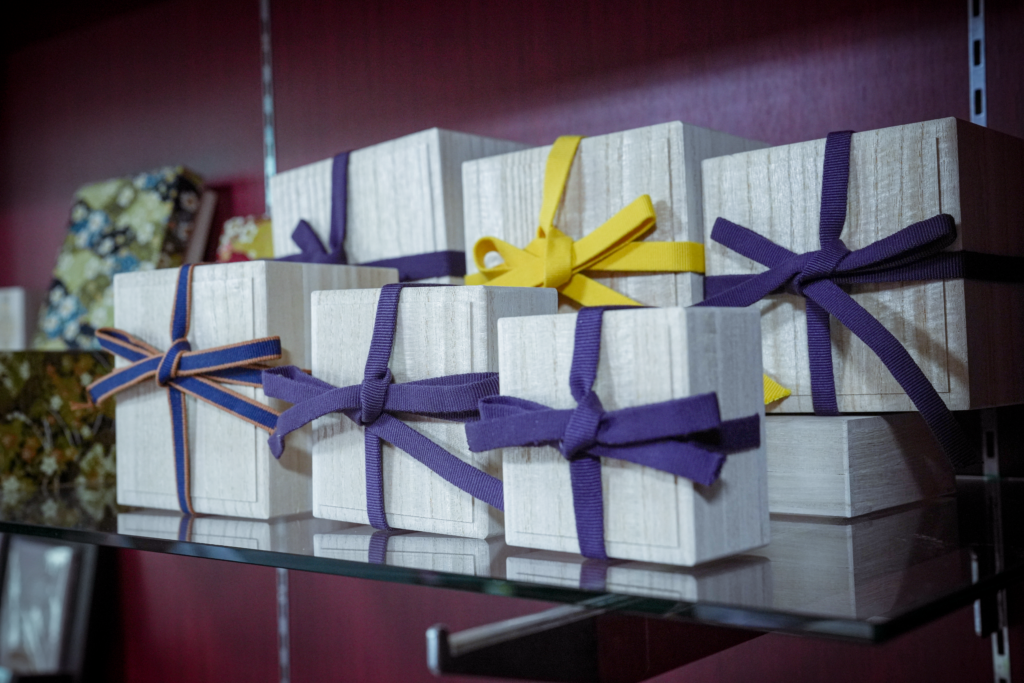
Japanese swords, for example, require specially made storage boxes. Hakoyoshi has produced custom paulownia boxes for Japanese swords in the collection of the Yushukan Museum at Yasukuni Shrine.
During major renovation work at Samukawa Shrine in Kanagawa Prefecture, the names of donors were written on washi paper, placed inside paulownia boxes and stored deep within the shrine — in a sacred area accessible to only a small number of people, including senior priests.
Hakoyoshi was also commissioned to make a replacement box for an ancient Japanese polearm in the collection of The Metropolitan Museum of Art in New York. The weapon had been returned to Japan for restoration, but its original storage box had deteriorated. After repairs were completed, the weapon was placed in a newly made Hakoyoshi box and shipped back to New York. Tobari said the weapon dates to the Heian period.
On another occasion, while traveling overseas, Tobari unexpectedly spotted one of his company’s boxes in a department store. The retailer was not a direct Hakoyoshi customer. Instead, a Japanese company was selling its own product overseas, packaged inside a Hakoyoshi box.
He has had a similar experience in Thailand. “I remember thinking, ‘There’s one of our boxes here, too,’” he said.
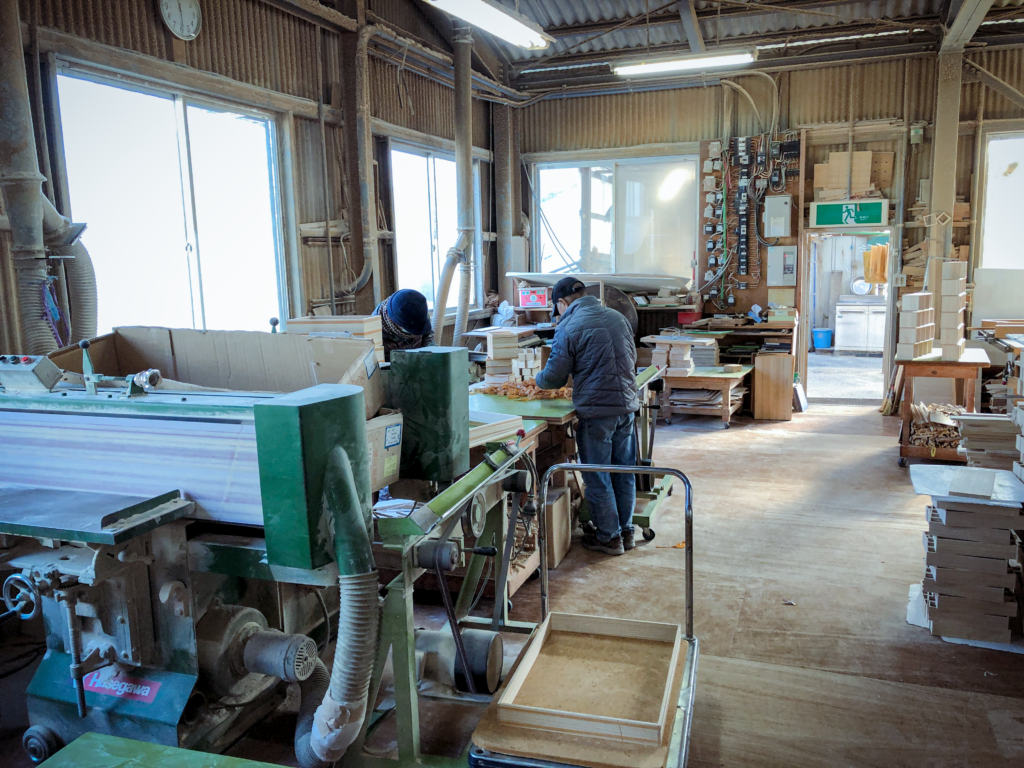
Why Paulownia Means Something Different in Japan
Why do Japanese people place important objects in paulownia boxes? Part of the answer, Tobari said, lies in history.
“Paulownia has long been regarded in Japan as something sacred and prestigious,” he said. “The paulownia crest was once associated with people of very high status, including Toyotomi Hideyoshi. So Japanese people have this sense that paulownia is something special.”
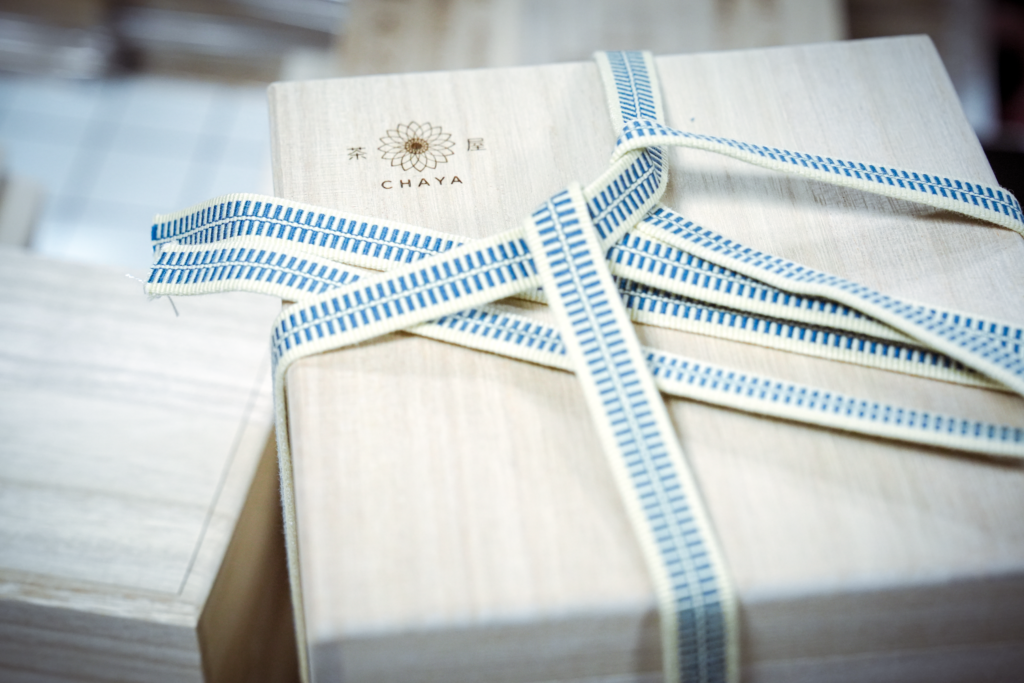
There is another reason: Japan’s culture of wrapping and presentation.
“Putting something into a paulownia box is a way of telling the other person, ‘I value you,’” Tobari said. “When the recipient sees the box, they understand, ‘This must be something precious.’ The feelings of the giver and the recipient connect.”
The wood also has practical advantages. Temperature and humidity are critical when preserving delicate objects. Paulownia can absorb moisture when humidity rises, helping reduce sudden changes inside the box.
But the material alone is not enough.
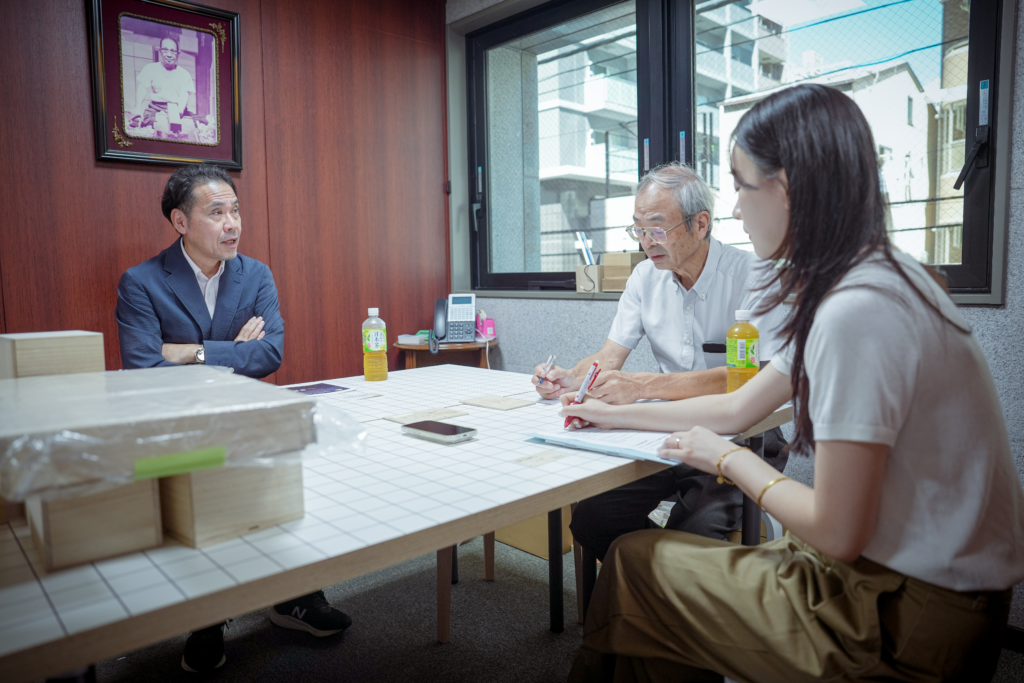
“The box has to fit perfectly, without gaps,” Tobari said. “It is the combination of the wood itself and the skill of the craftsman that gives a paulownia box its ability to protect what is inside.”
Ready-Made Boxes — Not for Mass Production, but So Customers Wouldn’t Have to Wait
The story of Hakoyoshi’s ready-made products is also unusual.
“When people hear ‘ready-made,’ they usually think of mass production and lower costs,” Tobari said. “That is not how ours began.”
Taito has long been a neighborhood of artisans. Silversmiths, brooch makers and other craftsmen would finish their products but could not simply hand them to customers unwrapped. They would come to Hakoyoshi and say, for example, “Make me five boxes for this.”
At first, the family made exactly five. But Tobari’s grandfather eventually began thinking about the inconvenience to customers.
“If someone ordered five, he would make 10,” Tobari said. “The other five would stay in the shop.”
Over time, those extra custom-made boxes accumulated into inventory. Eventually, they became standard products.
The names remained straightforward. A box for a brooch was simply called “Brooch.” A deeper version became “Deep Brooch.” A box designed for a necklace was called “Necklace.”
“They were not produced in larger quantities to lower the price,” Tobari said. “They were made because we didn’t want customers to have to wait.”
Some product names have outlived their original uses. One box, known as a teiregu box, was originally made to hold a set of tools used to maintain Japanese swords and came with internal dividers. As fewer people began maintaining swords themselves, customers said the box was more useful without the dividers. The dividers disappeared, but the old name remained.
Another product called ippon-date was once designed for a silver candlestick. That use has largely vanished, but the dimensions turned out to be suitable for many other objects, so the product survived.
“You can look at the names of products handed down from the past and understand what people were making and using in that era,” Tobari said.
Bringing a Traditional Box Into Younger People’s Lives
Paulownia boxes have traditionally been associated with valuable possessions and formal gifts. Tobari wants to broaden that image.
“I want paulownia boxes to become a more ordinary part of daily life,” he said.
Hakoyoshi has collaborated with Japanese fashion and lifestyle retailer BEAMS on products designed to appeal to younger customers.
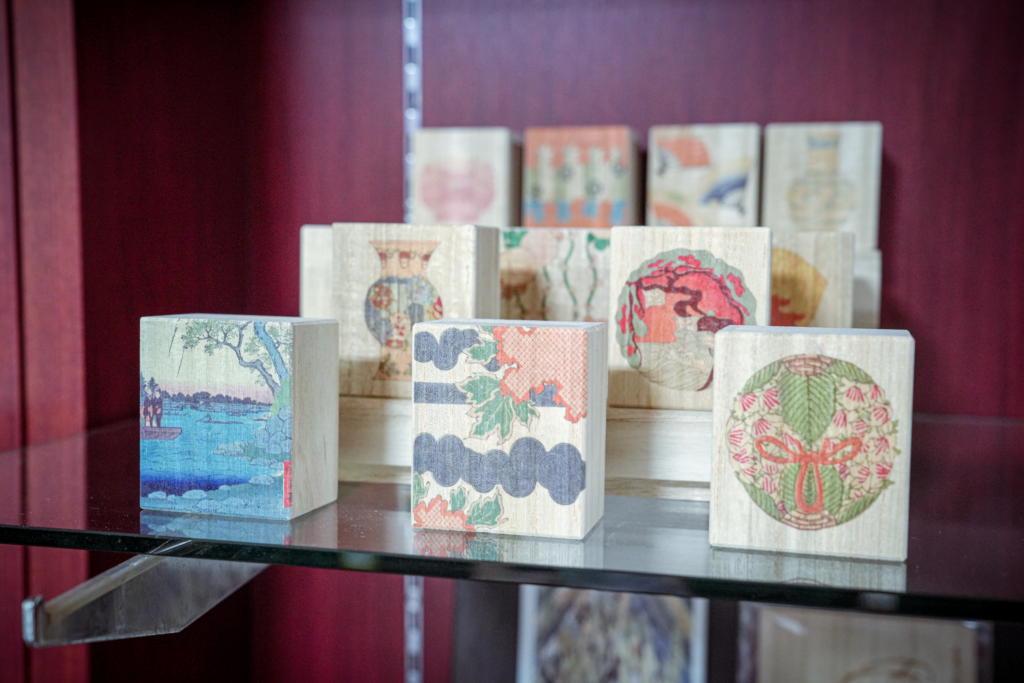
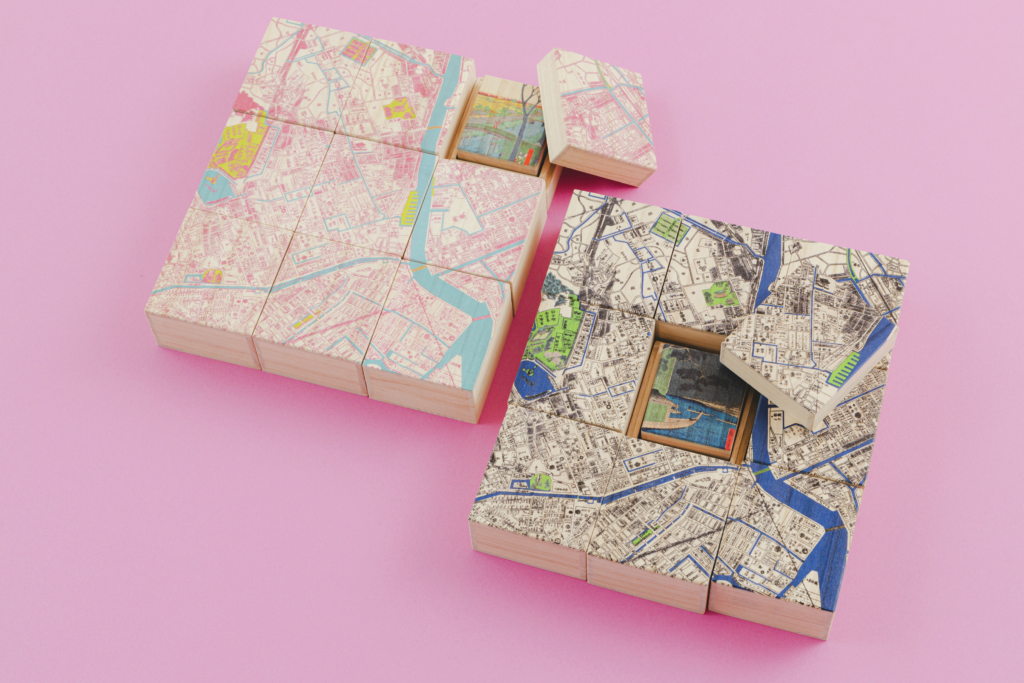
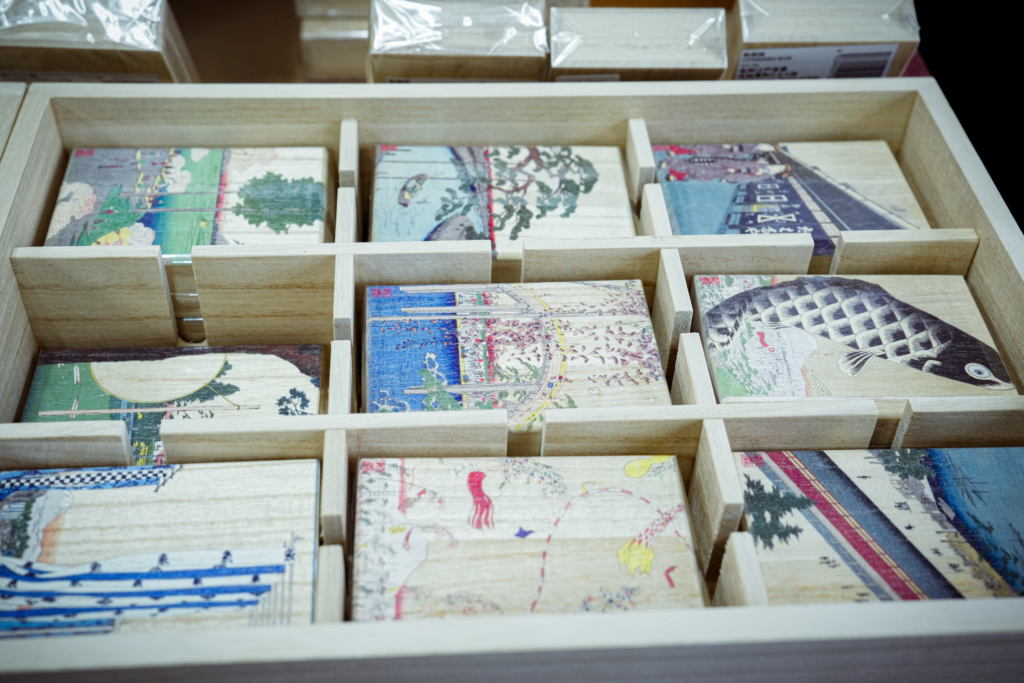
One box features an old map of Edo. When opened, it reveals images from historic ukiyo-e prints, including scenes of Ryogoku Bridge.
The company has also produced small boxes decorated with sushi, Mount Fuji, cartoon characters and other distinctly Japanese motifs. Ukiyo-e designs have been particularly popular with international visitors.
The products have been sold at locations including Shibuya LOFT and Ginza LOFT, while pop-up shops have been held at Ginza Itoya and Daikanyama Tsutaya Books. Tokyu Hands has mainly carried Hakoyoshi’s more conventional paulownia boxes.
At one Ginza Itoya pop-up, Hakoyoshi shared space with a daruma maker and an apron company. Over roughly two to three weeks, the three companies sold about 2,000 items combined. Many of Hakoyoshi’s products were priced at around 1,000 yen.
The small boxes can be used for earrings, jewelry or supplements carried while traveling. Their light weight makes them easy to pack.
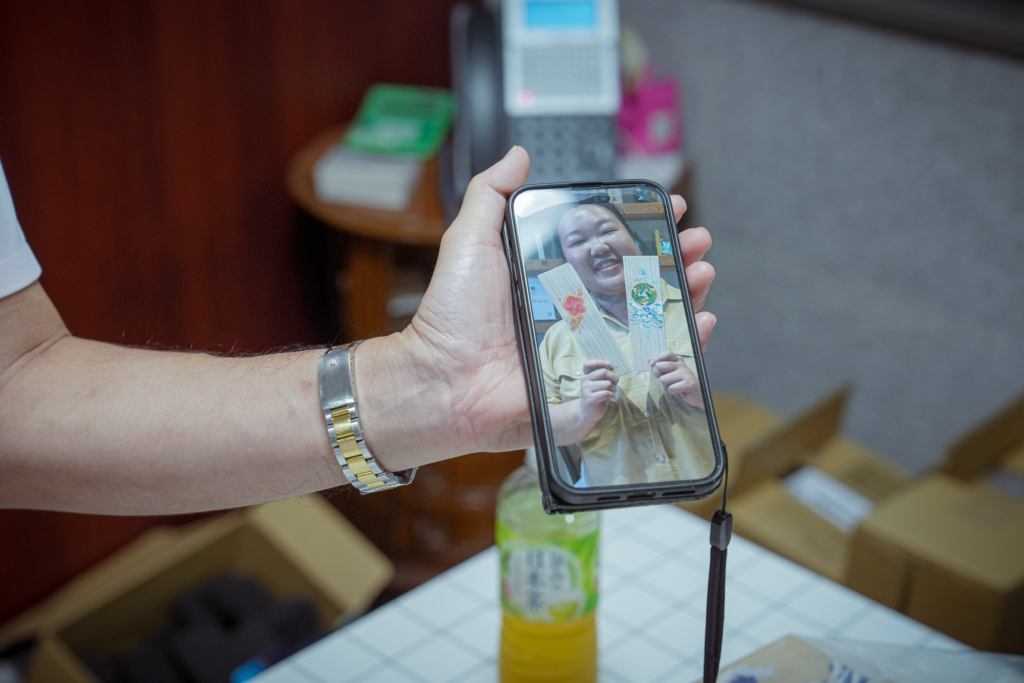
Among ukiyo-e designs, Katsushika Hokusai’s “The Great Wave off Kanagawa” and “Red Fuji” are especially popular with overseas visitors.
A carp design, meanwhile, has sold particularly well among Chinese-speaking customers. At first, Tobari did not understand why. He later learned that in Chinese culture, carp can symbolize advancement, growth and academic success, making them an auspicious image.
Hakoyoshi has also divided its retail strategy between business and consumer customers.
Its main Higashi-Ueno store is overwhelmingly B2B, with business customers accounting for more than 90% of sales. Customers often bring in their own products and use a Hakoyoshi box to differentiate them, enhance their presentation and increase their perceived value.
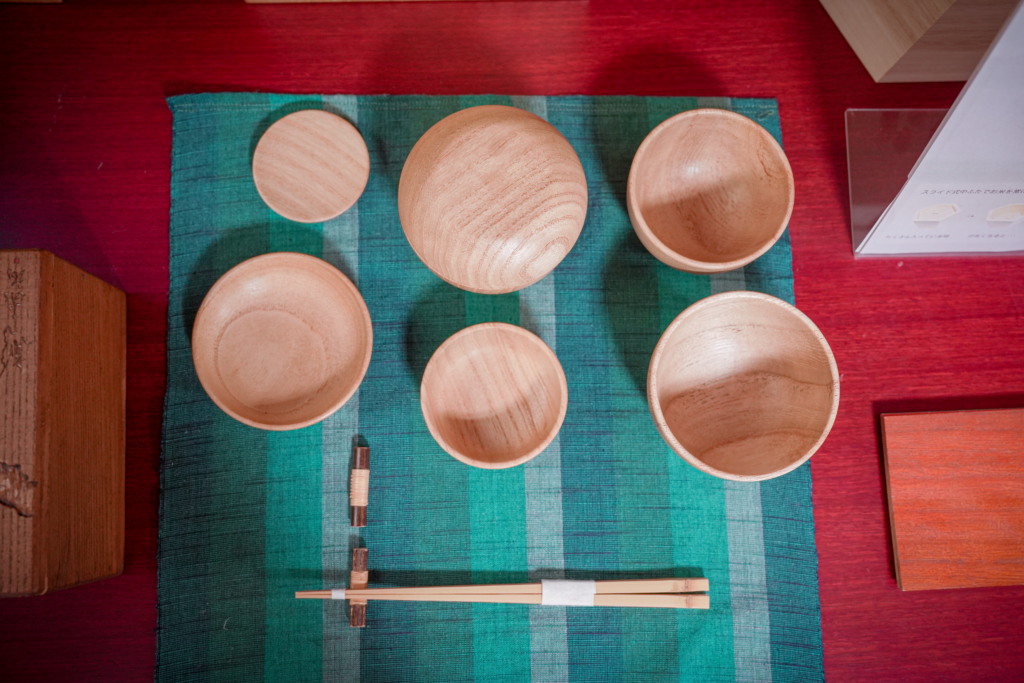
The company’s Yanaka store, by contrast, is aimed primarily at individual consumers and people exploring the neighborhood on foot. It sells not only paulownia boxes, but also glassware and other crafts made by Hakoyoshi customers.
The store also provides space for younger creators to hold exhibitions, pop-ups, sales events and workshops.
“Young craftspeople who don’t have a place to present their work in Tokyo can use our Yanaka store,” Tobari said. “Hopefully, one day they will also use our boxes to add value to what they make.”
Hakoyoshi also operates a sales office in Toyama Prefecture and has its own factory and sales office in Hiroshima Prefecture.
“There are so many excellent crafts around Japan,” Tobari said. “As a box company, we want to find the kinds of Japanese products that make you think, ‘I want to put this in a paulownia box,’ and introduce them to younger people and customers from overseas.”
Taking the Meaning of the Kiribako Overseas
Gift-giving exists across cultures and across centuries. But expressing how much a gift matters — and encouraging its recipient to treasure it — often depends on presentation.
That creates a challenge for Hakoyoshi overseas. Many people outside Japan initially see an unfinished-looking paulownia box as something simple or inexpensive. Japanese consumers often perceive exactly the opposite.
To them, a paulownia box signals that what is inside is important. That difference in perception is rooted in the Japanese tradition of using paulownia boxes to protect treasured objects and present gifts to people who matter.
“I want the rest of the world to understand that,” Tobari said.
Thailand has become an important testing ground for that approach.
Hakoyoshi initially went there with a straightforward objective: sell products. It soon became clear that simply putting boxes on the market would not work.
“If all we think about is selling products, it is actually very difficult,” Tobari said. “People do not understand the culture behind them.”
So Hakoyoshi changed its approach: first let people experience the product, then talk about selling it.
In Thailand, the company has organized workshops as well as retail activities, explaining paulownia-box culture in Thai, English and Japanese.
During the workshops, designs are laser-engraved onto paulownia postcards or boxes, and participants color them themselves. Children may lose interest after 10 or 15 minutes, Tobari said, while their parents sometimes spend an hour carefully completing their work.
People who have taken part often return with friends or post the experience on social media. Gradually, awareness spreads.
Hakoyoshi has also participated in Nippon Haku, a major event in Thailand promoting Japanese culture. The company hopes to work with local influencers who introduce Japanese products, using Instagram to direct potential buyers to e-commerce platforms such as Lazada and Shopee.
But Tobari does not want the overseas business to consist simply of exporting Japanese products. He wants to find points where cultures overlap. Matcha is one example.
“Matcha is part of the cultural tradition of East Asia,” Tobari said. “In Thailand, people used to mainly drink sweetened matcha beverages. Recently, more people have become interested in preparing matcha properly and have started buying tea utensils.”
But Thai tea utensils are not always the same as those used in Japan. Because Thailand has a hot climate, some vessels have pouring spouts, allowing freshly whisked matcha to be poured over ice.
Hakoyoshi adjusted the dimensions of its boxes to fit those vessels. In Japan, matcha bowls are often stored in more elaborate wooden boxes, which can be expensive. For Thailand, Hakoyoshi modified the construction to better match local use and price expectations.
That willingness to adapt is central to Tobari’s view of what the family business should become.
“I may be the sixth generation of Hakoyoshi,” he said, “but the culture behind the paulownia box was not created by our company. It was built by people over hundreds, even thousands, of years.”
“Our responsibility is to carry that culture overseas.”
COMMENTARY
What a Paulownia Box Really Holds Is the Message: “You Matter to Me”
By Wan Ge
When the sixth-generation owner of a paulownia-box company with more than 150 years of history talks about his family business, the most important thing he says is not, “Our craftsmanship is exceptional.”
It is this: “The culture behind the paulownia box was not created by our company. It was accumulated over hundreds, even thousands, of years.”
Another story seems to affect him just as deeply. A customer once brought back a paulownia box made decades earlier by his grandfather and asked to have it restored. When Tobari opened the box, he recognized his grandfather’s work.
But what had survived was more than craftsmanship. It was the trust between a maker and a customer.
This is not simply a story about nostalgia. It is a story about continuity. What is handed down is not only a technique. It is the ability to remain trusted.
The significance of a paulownia box does not come from the wood alone. It lies in the message the box carries: “You matter to me.”
That meaning can cross generations. It can also cross borders.
What Hakoyoshi is trying to do today is translate that meaning for the rest of the world.
In Thailand, it holds workshops so that people can touch and work with paulownia before being asked to buy it. It changes box dimensions to fit the way Thai consumers prepare matcha. Its carp designs resonate with Chinese customers because of the auspicious meaning the fish carries in Chinese culture.
The lesson is that cultural exports are not simply about saying, “Look how good our culture is.” They begin with a different question: “What matters to you?”
For a company that has survived for more than 150 years, its most valuable asset may not be its machinery or its factory. It may be something far less visible — trust accumulated across generations, the confidence that makes customers willing to place their most treasured possessions in your hands.
A paulownia box can be planed and made new again. Trust can only be built, layer by layer.
SIDEBAR
Chinese, Japanese and North American Paulownia: What’s the Difference?
Paulownia grows quickly, but climate has a major effect on the wood.
In colder areas such as Aizu in Fukushima Prefecture, growth slows during winter, producing tighter growth rings and a finer grain. Paulownia grown in cold parts of Canada can have similar characteristics.
Chinese paulownia is often grown in warmer regions. It grows more rapidly and is available in larger quantities, but generally has a coarser grain.
About 80% of the wood used by Hakoyoshi comes from China. Chinese material is typically used for products made in larger quantities, while Japanese paulownia may be selected for higher-end custom work.
According to Tobari, Mishima Town in Fukushima Prefecture is currently the only place he knows of in Japan where paulownia continues to be cultivated as a municipality-wide initiative. Hakoyoshi is working with Mishima to expand the use of domestically grown paulownia.
The tree grows extremely quickly in its early years and requires repeated pruning to grow straight enough for high-quality lumber.
“You may start with 100 trees and end up with only about 50 suitable for making furniture,” Tobari said.
But smaller paulownia boxes do not require the same large, flawless pieces of timber as traditional chests. Hakoyoshi and Mishima are therefore exploring ways to use thinned timber that might once have been discarded.
The goal is both to reduce waste and to help sustain domestic paulownia production. If the wood can be used not only for large furniture but also for smaller boxes, more of each tree can be put to productive use.
SIDEBAR
From Imperial Paulownia to Business Cards and Baby-Tooth Boxes
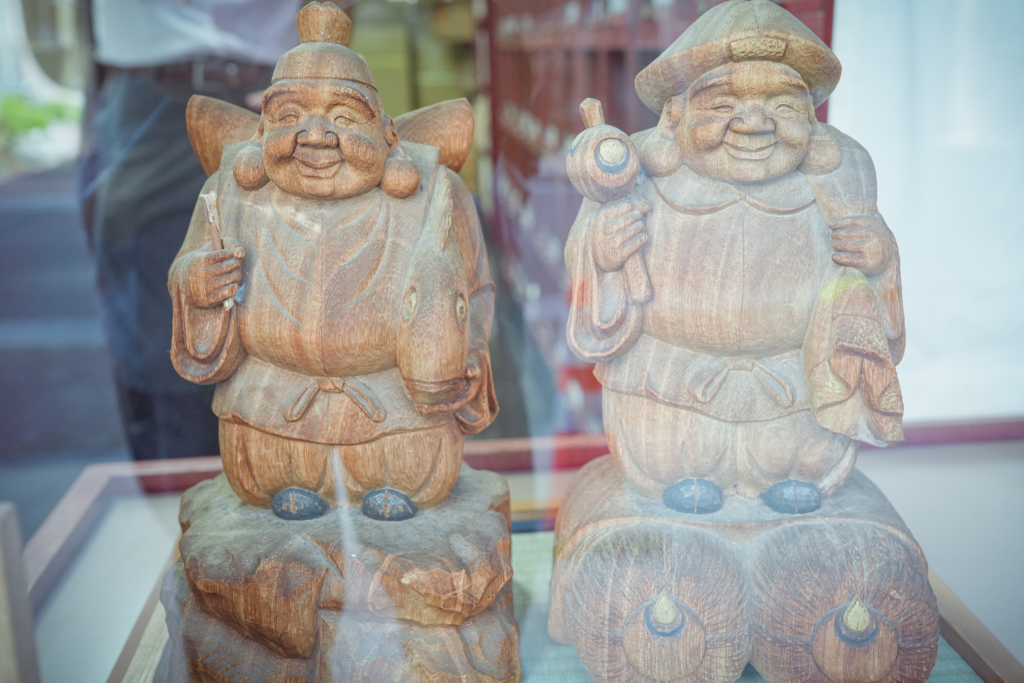
Paulownia can be used for far more than traditional storage boxes.
Hakoyoshi once obtained paulownia wood from the grounds of the Imperial Palace and commissioned a Buddhist sculptor named Ishibashi to carve three sets of Ebisu and Daikoku, two deities associated with good fortune.
One set went to the sculptor, one remained with Hakoyoshi, and the third was given to someone who had supported Tobari’s grandfather. Tobari said the three sets should still be somewhere in Japan today.
The company also produces smaller everyday objects from paulownia, including business cards, eyeglass cases, pen cases, card holders and boxes for storing children’s baby teeth.
Even the company’s wooden business cards require a special construction.
“If paulownia is shaved too thin, it loses strength,” Tobari said. “So we place paper between the layers.”