From Preservation to Entrusting the Future
The Flavor and Legacy of Ueno’s Historic Shuetsu
Interview & Text / Riky,WanGe,LiDa
Photography / Yanagida
By Asian Econ in Tokyo
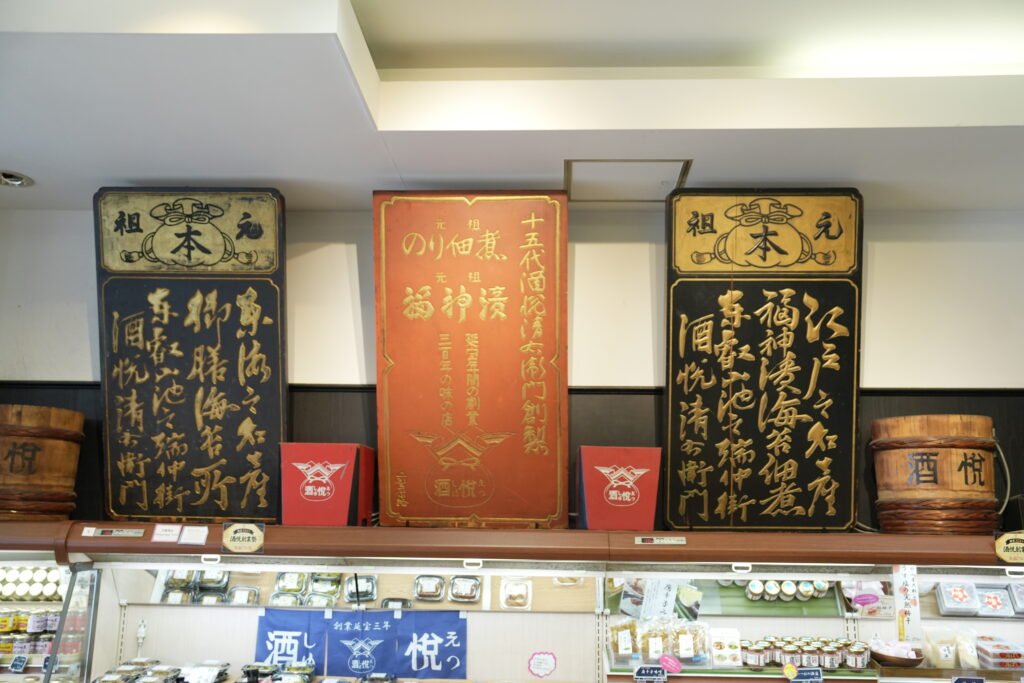
Just outside Ueno Park, near Shinobazu Pond, a huge sign rises over nearly half the building façade. It carries the unmistakable atmosphere of the Showa era. This is the Ueno flagship store of Shuetsu, one of Tokyo’s long-established food businesses.

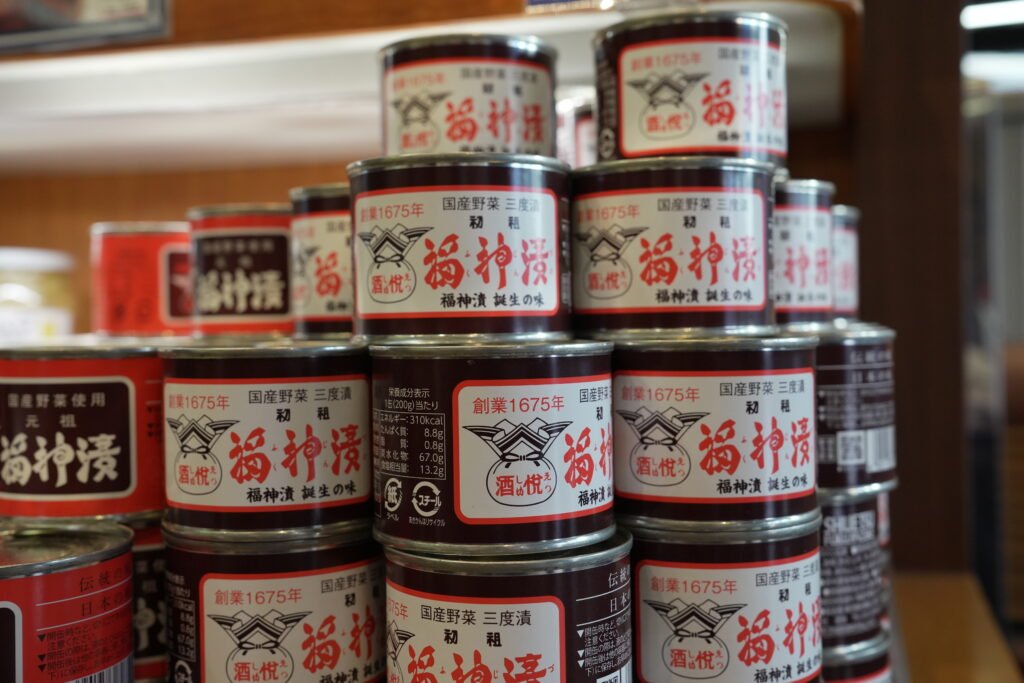
Inside, shelves are lined with jars and bottles. Among them are fukujinzuke, a soy-sauce-based pickle made from vegetables such as daikon, eggplant, melon and lotus root, and tsukudani, in which seaweed, kelp, small fish or shellfish are slowly simmered with soy sauce and sugar until richly seasoned.
At Shuyue, more than three centuries of history is not something distant or abstract. It is contained in the jar a customer takes home for dinner.
The store manager says Shuyue’s approach to pickling is to preserve the original flavor of the ingredients as much as possible. A bite of its pickled celery makes the point clearly: the raw bitterness has largely disappeared, leaving a mild sweetness while the texture remains crisp.
From Yamada-ya to Shuetsu
The story begins in 1675, when the first-generation Seiemon Noda came from the Ise region of present-day Mie Prefecture to Edo and opened a seafood shop in Hongo Motomachi called Yamada-ya.
At the time, traveling from Ise to Edo on foot took roughly two weeks. Most seafood transported over that distance had to be salted or otherwise preserved. In that sense, Shuetsu’s later focus on pickles and tsukudani followed naturally from its origins.
The shop later moved to Ikenohata in Ueno. Its pickles and tsukudani earned the praise of the head priest of Toeizan Rinnoji, a highly prestigious position traditionally associated with the imperial family. According to the company’s story, he remarked that the food was so delicious that “even sake would be delighted,” and gave the shop the name Shuetsu, meaning “sake rejoices.”
Preserving the Number Seven: Ten Years to Create Fukujinzuke
The development of Shuetsu’s fukujinzuke dates back to the Meiji era.
The 15th-generation Seiemon Noda, known for his willingness to experiment, began developing a new type of vegetable pickle based on soy sauce. At the time, salt pickles, rice-bran pickles and sake-lees pickles were common in Japan, but soy-sauce pickling had almost no established precedent.
There was no existing product to imitate. Development took ten years.
The original fukujinzuke used seven vegetables, inspired by the Seven Lucky Gods, and Shuyue has continued to preserve that basic idea. Among the ingredients, daikon may appear ordinary, but it plays a central role: after drying, its flavor becomes more concentrated, and once it absorbs the soy sauce, sweetness begins to emerge beneath the saltiness.
Preserving “seven,” however, has never meant refusing all change. Early fukujinzuke was mainly eaten with white rice, with vegetables cut into larger pieces and often served with alcohol. Around 1902, as it began to be paired with curry rice, the product changed with the eating style: the pieces became smaller so they could be scooped easily with a spoon, and the seasoning became slightly stronger so the flavor would not disappear beside curry.
On July 7, 2026, designated “Shuyue Fukujinzuke Day,” the company released an Original Fukujinzuke, returning to the larger-cut style of the early Meiji period and positioning it once again as a companion to white rice.
The Turning Point: From “Protecting” to “Entrusting”
A business does not survive from the Edo period to the present simply by relying on the words “historic brand.”
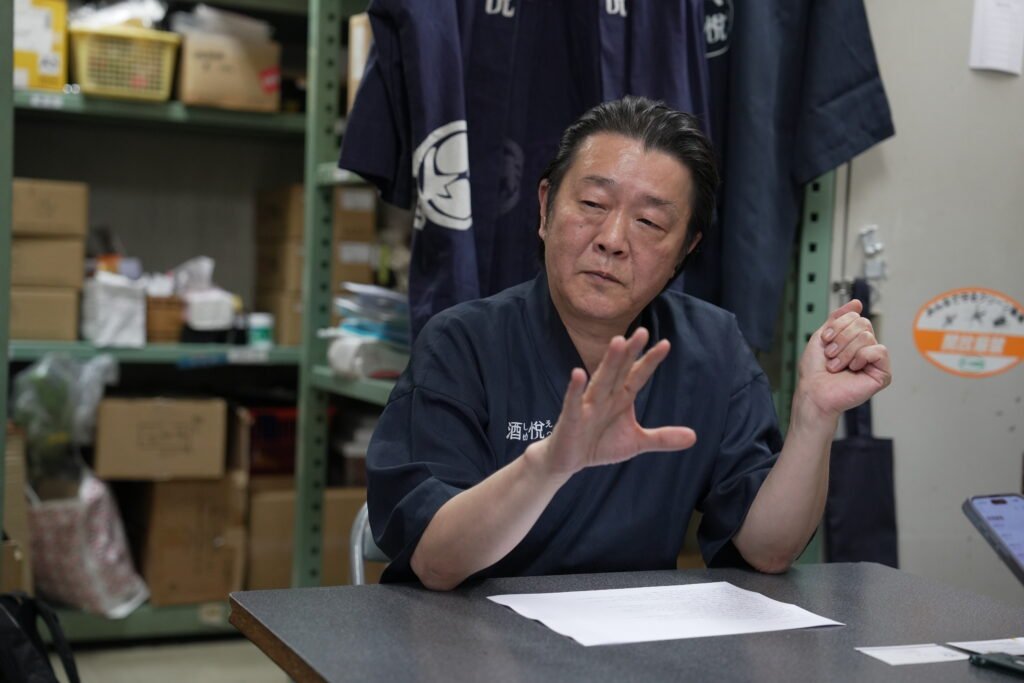
When asked about the future of Shuetsu the current store manager did not begin with the company’s 300-year history. Instead, he recalled the pressure he felt when he first took charge of the Ueno flagship store.
He became manager at 31 and is now 55. At the beginning, he worried constantly that something might go wrong under his watch. Product displays, customer greetings, conversations with visitors — he monitored everything himself. With more than three centuries of reputation handed to him, he felt that not a single rule could be broken.
He was strict with staff and even stricter with himself. Over time, that responsibility became a burden he could not easily put down.
Then, during a meal with a senior figure from a nearby long-established tempura restaurant, he finally spoke about the pressure.
The older restaurateur gave him one piece of advice:
“Don’t think only about how to protect it. Think about how to entrust it to the next generation.”
In Japanese, mamoru means to protect, while takusu means to entrust.
To protect is to keep what exists today intact. To entrust is to think about how far it can continue after it passes into someone else’s hands.
That idea changed the manager’s perspective. Responsibility was not only about preserving everything exactly as it had been. It was also about deciding what must remain and what could change along with customers’ lives.
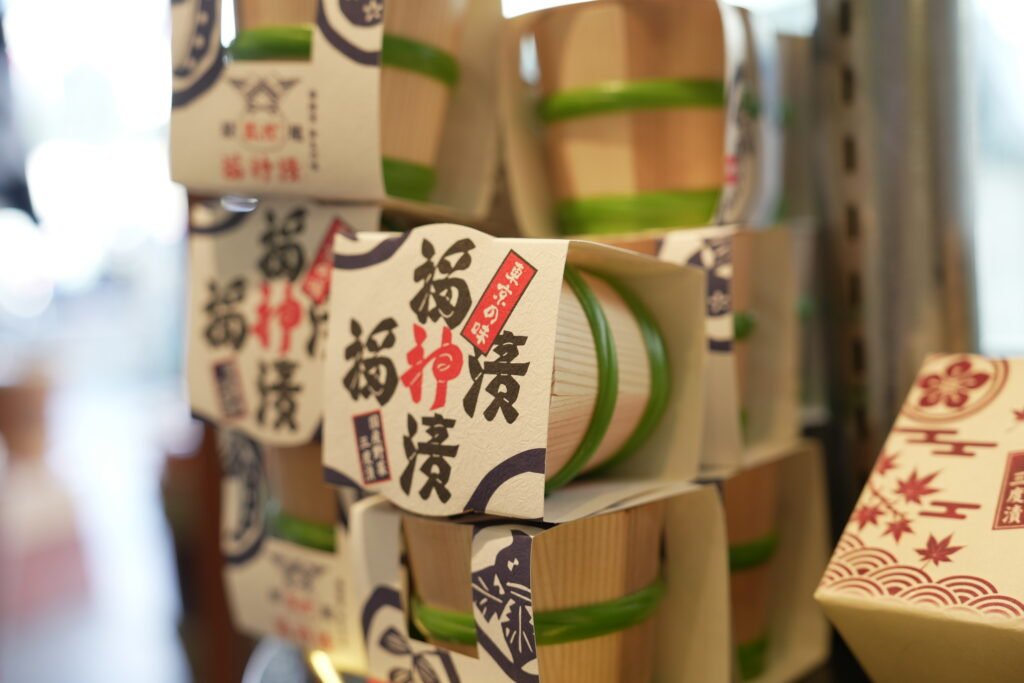
Customers Bring New Ways to Eat Old Flavors
Shuetsu’s staff make a point of talking with customers, and those conversations sometimes generate ideas the company itself had never considered.
Some overseas visitors eat sweet simmered beans as desserts. Others use amazake in cooking as a seasoning. One customer even poured the sauce from fukujinzuke over vanilla ice cream.
The manager tried it himself and was surprised by how well the salty aroma of soy sauce worked with the sweetness of ice cream.
Shuetsu sends flavor out into the world. Customers bring new uses back.
Through that exchange, an old taste gradually takes on new forms.
The Cost and Bottom Line of a Historic Brand
Even a company that has survived for centuries still faces everyday business pressures. Raw materials, logistics and labor costs have all risen in recent years. Many food companies respond by reducing portion sizes or switching to cheaper ingredients in order to hold prices.
Shuetsu draws its line elsewhere.
Prices may change with costs, but ingredients, food safety and flavor cannot.
The manager puts it simply: if the package still says “Shuetsu” but what is inside has changed, then the name itself loses meaning.
Trust takes years to build and may take only one mistake to lose.
Hospitality Begins With a Taste
The Ueno store receives longtime regulars, younger customers and foreign tourists pulling suitcases.
The approach is simple: let them taste first.
When a young customer pauses in front of the shelves, curious but unsure, staff may offer a small sample. If the customer likes it, they explain what it is and how it can be eaten. The manager does not expect every tasting to lead immediately to a purchase.
His hope is that the flavor stays in memory.
Five or ten years later, the customer may suddenly remember it.
The store’s Instagram account follows the same philosophy, introducing not only promotions but also products and everyday ways to enjoy them.
For Japanese customers, fukujinzuke and tsukudani are often more than side dishes. Some bring them as gifts when visiting friends or relatives. Older customers with smaller appetites may use just a small portion with white rice — enough saltiness and umami to make the meal more enjoyable.
For foreign visitors, staff still begin with taste. Flavors such as amazake and dashi are difficult to explain even with translation apps. Rather than giving a long explanation first, offering a small cup of amazake or a sip of broth often makes the story much easier to understand afterwards.
Six Eras, One Flavor Passed Forward
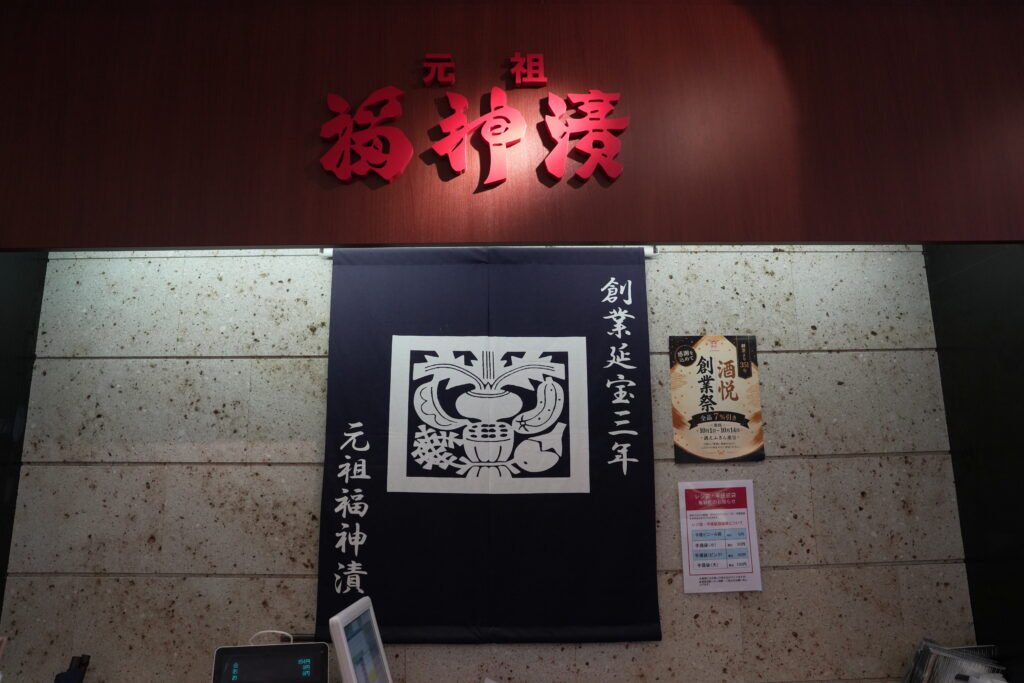
From Yamada-ya in 1675 to Shuetsu today, the business has lived through the Edo, Meiji, Taisho, Showa, Heisei and Reiwa eras.
The location has changed. The way the business operates has changed. Even the size and serving style of fukujinzuke have changed.
What each generation receives is not only a company name and a few products. It also receives the accumulated experience of how previous generations dealt with customers.
Each generation then adds something of its own before passing the business forward.
Perhaps that is what entrusting really means: making today’s flavor carefully enough that someone wants to remember it.
So when the next generation takes over, the taste is still there — and so are the people who still want to eat it.