Sitting Meditation Posture
Sitting meditation not only nourishes the body and prolongs life, but also enhances clarity and wisdom. It is a practice highly emphasized in various schools of Zen cultivation.
In Buddhism, sitting meditation is called “zazen” or “dhyāna meditation,” and it is an essential discipline in Chan (Zen) Buddhism.
In traditional Chinese martial arts, sitting meditation is also a method for cultivating internal energy, nurturing one’s character, and strengthening willpower.
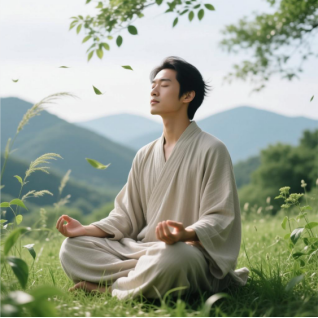
Sitting meditation—also known as cross-legged sitting or quiet sitting—requires closing the eyes, sitting cross-legged, regulating the breath, placing the hands in specific positions, and refraining from thinking of anything.
The practice of meditation essentially includes three key elements: adjusting the posture, adjusting the breath, and adjusting the mind.
Today we draw from the posture principles of “Donghua Chan Jing Gong,” a method created by Venerable Master Wanxing of Donghua Zen Temple, who integrated the essence of Zen, Pure Land, and Esoteric traditions. These principles focus on the posture adjustment required during sitting meditation.
According to “Donghua Chan Jing Gong,” when the posture is correct, the breath becomes smooth, and the body becomes more relaxed the longer one sits.
Leg Postures
There are three cross-legged positions: half-lotus, single-lotus, and full-lotus.
After practicing half-lotus for some time, one naturally progresses to single-lotus; after sufficient practice in single-lotus, one may attempt full-lotus.
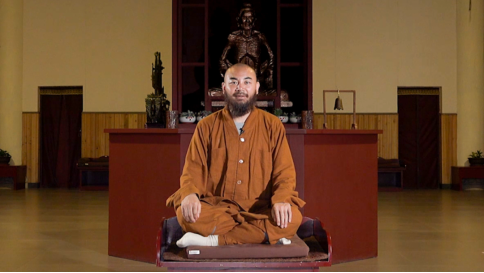
Half-lotus: Legs are crossed naturally.
Single-lotus: Place the left foot on the right thigh, with the right foot beneath the left leg, or vice versa.
Full-lotus: Based on single-lotus, bring the other foot up onto the opposite thigh.
Hand Positions
Hands may rest naturally on the knees;
Or place the left hand on top of the right hand, with the thumbs lightly touching, positioned below the dantian.
Upper Body Posture
Open the shoulders and let them drop, relaxed and heavy.
Lower the chin slightly, without hunching the back.
Keep the spine upright.
Tilt the pelvis slightly backward.
Lean the torso slightly forward so that the body’s weight rests on both knees, leaving the tailbone suspended.
If the torso is too upright and the weight falls on the hips, prolonged pressure on the tailbone may restrict blood flow and reduce oxygen supply to the brain. Beginners may use a cushion about 2 inches high (1 inch ≈ 3.33 cm).
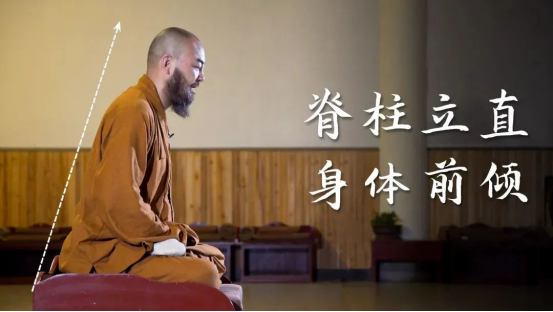
Loosen belts or waistbands if wearing them.
Facial Posture
Relax completely and maintain a gentle smile.
Close the eyes when the mind is alert; open them when feeling drowsy—adjust flexibly.
Rest the tongue lightly against the upper palate: curl the underside of the tongue upward to touch the upper palate. Teeth remain naturally closed and relaxed.
(Note: Young practitioners do not need to place the tongue on the palate; this is recommended for those in middle age or older.)