


As the global semiconductor supply chain continues to be reshaped by geopolitical and technological competition, Apple and Samsung’s moves in the United States have become the latest focal point.
In what is being called an “investment-for-tariffs” strategy, Apple and Samsung have launched an unprecedented chip collaboration in the U.S. Meanwhile, after securing a massive foundry deal with Tesla, Samsung Electronics announced an additional multibillion-dollar investment in America, aiming to take the lead in advanced packaging. These moves reflect both the U.S. government’s strong push for semiconductor localization and Korean companies’ strategic calculation of using investments to secure market access.
Breaking Sony’s Monopoly
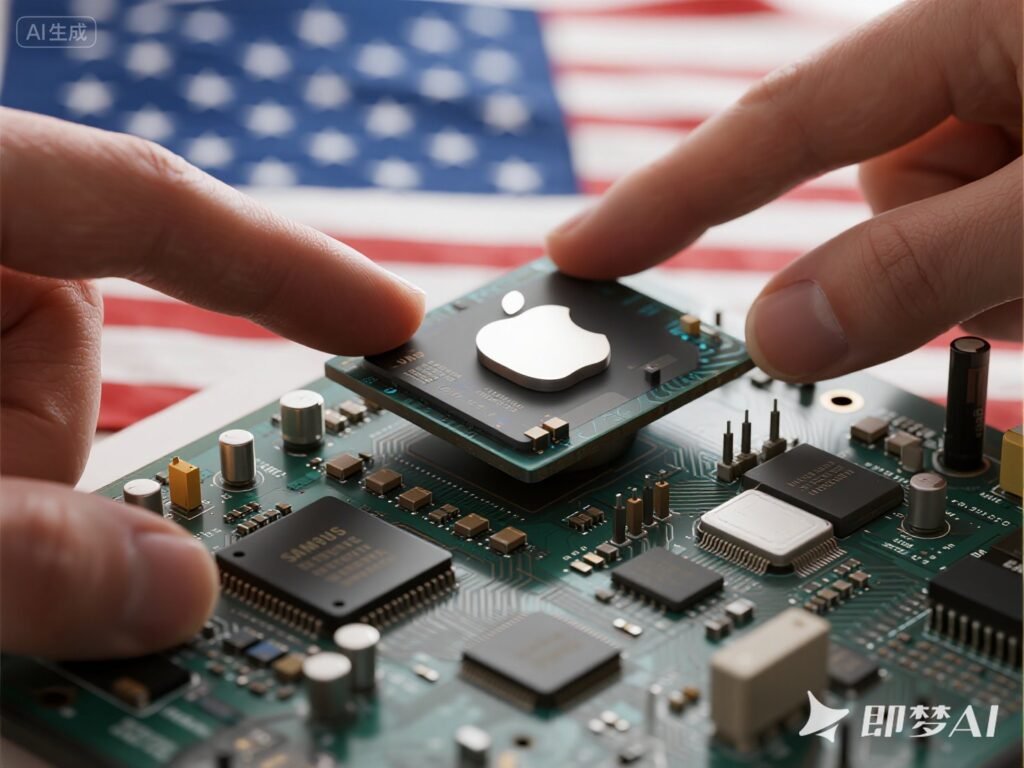
Reports say Apple and Samsung will cooperate at Samsung’s Austin wafer fab in Texas, introducing a “world-first chip manufacturing technology” for future iPhones. According to insiders, the partnership focuses on producing image sensors for iPhones in the U.S., possibly debuting in the 2026 iPhone 18. Samsung will manufacture ISOCELL image sensors for Apple.
The news shook the market. For years, Apple’s iPhone image sensors have been almost entirely supplied by Sony, which holds more than 50% of the global CMOS sensor market. Samsung ranks second with about 15%. If the cooperation materializes, Sony would lose its exclusive position with Apple, while Samsung would strengthen its presence in the high-end sensor market.
Analysts point out that Apple’s move is not only about supply chain diversification but also closely tied to the upcoming U.S. chip import tariff policy. Lee Jong-hwan, a professor at Sangmyung University in Seoul, noted: “Sony has no factory in the U.S. Once tariffs take effect, Japanese firms will face major challenges. Apple’s choice of Samsung, which has production capacity in the U.S., is a natural result of policy pressure.”
Sony responded by stressing confidence in maintaining leadership with its large-format, high-density sensor technology.
Tesla’s $16.5B Order Boosts Samsung
Beyond Apple, Samsung has scored another major win. In late July, Samsung Electronics signed a $16.5 billion chip manufacturing contract with Tesla, valid through the end of 2033. The agreement specifies that Samsung’s Texas plant will manufacture Tesla’s AI6 chips. Elon Musk even remarked, “This is only the minimum amount.”
The deal marks Samsung’s biggest foundry breakthrough in recent years, reviving its chip-making division that had repeatedly lost out to TSMC. Riding this momentum, Samsung announced a new $7 billion advanced packaging plant in the U.S., following its Taylor wafer fab. This represents another major step in Samsung’s American semiconductor strategy.
Samsung Racing Ahead of TSMC
Currently, the U.S. has no high-end chip packaging facility, while TSMC’s projects won’t begin production until late this decade. If Samsung delivers first, it would not only fill a market gap but could also attract major clients like NVIDIA and AMD, directly challenging TSMC’s dominance in advanced packaging.
Unlike TSMC’s “manufacturing–packaging separation model,” Samsung promotes an “integrated design–manufacturing–packaging” system. This model is particularly crucial for AI chips, as it shortens delivery cycles and reduces costs.
Analysts note: “From Apple’s orders to Tesla’s contract, and now the $7 billion packaging investment, Samsung is seizing America’s policy window to rebuild its foundry competitiveness.”
Korean Firms’ Strategic Bets
Not long ago, U.S. President Donald Trump declared a 100% tariff on imported chips. Against this backdrop, Apple-Samsung cooperation, the Tesla deal, and Korean conglomerates’ continuous U.S. investments are seen as part of a strategic “investment-for-tariffs” bargain. For Samsung, the dual challenge is competing with TSMC while navigating shifting U.S. policies—opportunities and risks intertwined.