


More and more young people and families are no longer satisfied with just posting beach and coconut tree photos on social media—they’re now showing off their “PADI Open Water” diving certifications. Getting a “deep diving license” not only allows you to truly explore the underwater world but also serves as a ticket to upgrade your travel experience.
But for someone starting from scratch, where’s the most cost-effective place to learn diving? The Maldives is too expensive, while domestic training lacks the tropical ocean’s stunning scenery. Gradually, learners have turned their attention to other tropical islands—such as Koh Tao, Semporna, and Saipan. Among these popular destinations, how should beginners choose? This guide draws on real diver experiences and regional comparisons to help you decide.
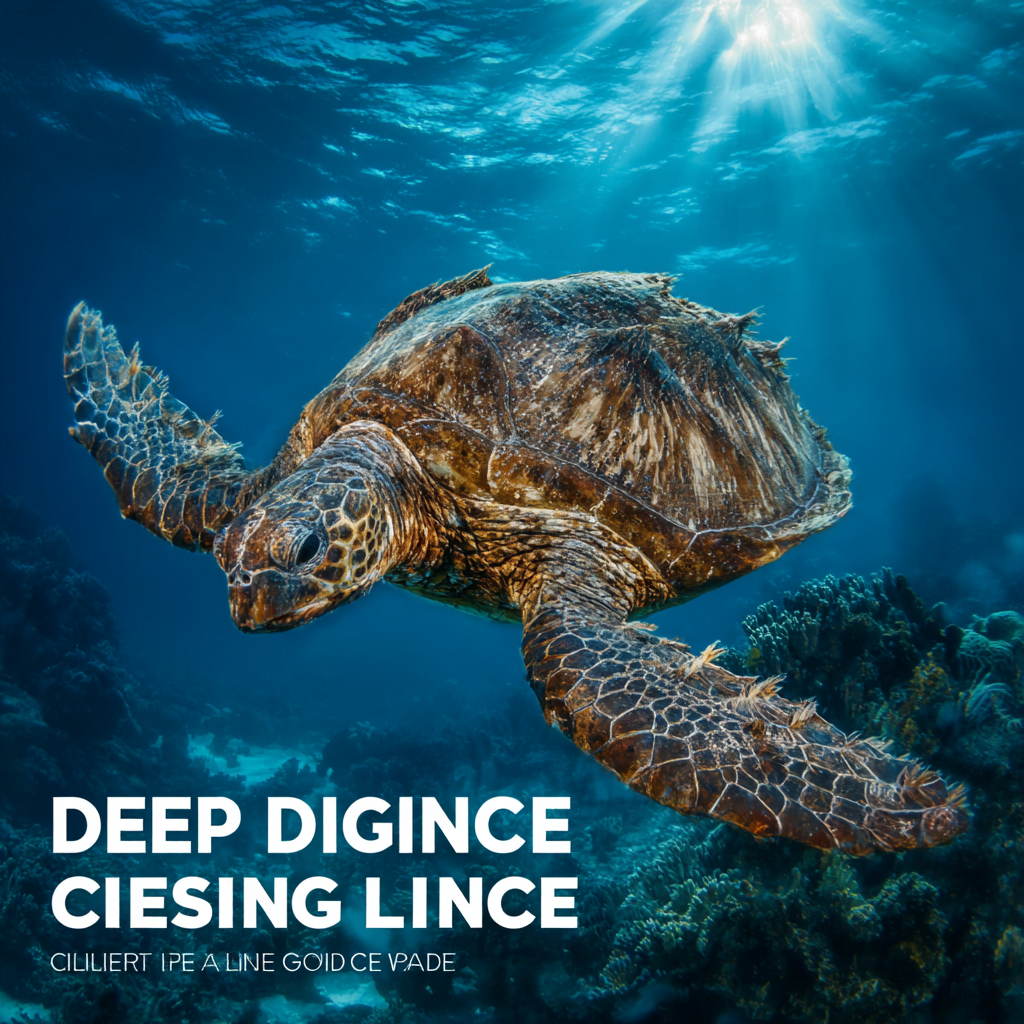
More People Are Choosing to Learn Diving
If surfing symbolizes freedom on the sea, scuba diving is your entry into another world. With proper training, you can dive safely to depths of 18 meters and get up close with coral reefs, sea turtles, and even large schools of fish. A PADI (Professional Association of Diving Instructors) certificate is not only a pass to the deep sea—it also represents a lifestyle upgrade: from now on, every island trip becomes a personal underwater adventure, rather than being limited to shallow snorkeling. Diving certifications have become a trendy symbol among young travelers, representing a more adventurous and nature-connected way to explore the world.
Lesser-Known Tropical Islands Are Becoming Popular Choices
When it comes to “deep diving,” many people first think of world-renowned dive sites like the Maldives or Australia’s Great Barrier Reef. But in reality, those destinations come with high costs, often exceeding a thousand US dollars for diving courses—on top of flights and accommodation. Moreover, world-class dive sites typically cater to experienced divers, and beginners may not receive the patient instruction they need.
By contrast, Southeast Asia and the Pacific Islands offer far more accessible options. The cost of an Open Water (OW) diving course generally ranges from RMB ¥2,000 to ¥3,000 (approx. $270–$400 USD), the curriculum is standardized, and Chinese-speaking instructors are common—making it ideal for beginners. That’s why “getting certified in Koh Tao, Semporna, or Saipan” has become a growing trend among young people.
Comparison of the Top 3 Popular Dive Certification Destinations
1. Koh Tao, Thailand – Highest Cost Performance & Fastest Certification
Pros: The PADI OW course can be completed for as little as ¥2,000 RMB, including theory, confined water, and open water dives. Koh Tao is often called the “diving certificate assembly line,” issuing the second most certifications in the world after Cairns, Australia.
Cons: The island is heavily commercialized, with less of a relaxing vibe. The course schedule is intensive, and underwater visibility is average.
Best For: Students, budget-conscious travelers, or anyone who wants to get certified quickly.
2. Semporna, Malaysia – “Diving Paradise” Surrounded by Stunning Scenery
Pros: OW courses cost around ¥2,300 RMB. The area is beginner-friendly, with 90% of dive shops offering Chinese-speaking instructors. Clear waters (visibility 20m+), coral gardens, sea turtles, and schooling fish make training scenic and fun. You can also visit nearby islands like Mataking and Bohey Dulang during your course.
Cons: Courses are physically demanding, often requiring full days at sea. Travel involves transfers via Kuala Lumpur and Tawau, followed by land and sea transport. Popular shops sell out quickly during peak season (April–October).
Best For: Travelers who want to combine learning with sightseeing, and enjoy taking great underwater photos.
3. Saipan – Visa-Free Entry, High Professional Standards
Pros: Saipan offers visa-free entry for Chinese citizens and direct flights, making travel extremely convenient. Some shops have Chinese-speaking instructors, training is strict and standardized, and the island is known for its safety and high water visibility.
Cons: More expensive than Southeast Asia. OW course fees range from ¥2,800 to ¥3,200 RMB. Airfare can be volatile.
Best For: Travelers looking for a hassle-free, safe, and comfortable diving experience.
Conclusion: Real “Cost Performance” = Safety, Satisfaction & Personal Fit
When choosing where to get your diving certification, the key is to find a destination that matches your budget, language needs, travel preferences, and expectations for underwater scenery. No single place offers all advantages, so what matters most is finding the option that fits you best.
A diving license is more than just a plastic card—it’s the start of a new lifestyle. From your first dive to your growing love of the ocean, the greatest reward isn’t just the certification, but the connection you build with the underwater world.
Practical Tips for Getting Certified
Course Duration: The OW course typically takes 3–4 days and includes theory lessons, confined water training, and 4 open water dives.
E-Certification: After passing, your digital certificate will appear in the PADI app within 1–3 days.
Physical Card: Will be mailed within 2–4 weeks.
Health Requirements: You must not have serious heart conditions, asthma, or ear problems.
Precautions: Avoid flying within 24 hours before or after diving. Do not consume alcohol excessively during training.
Next Step: The PADI system includes 9 levels. After OW (Open Water), you can upgrade to AOW (Advanced Open Water), which allows dives up to 30 meters.