

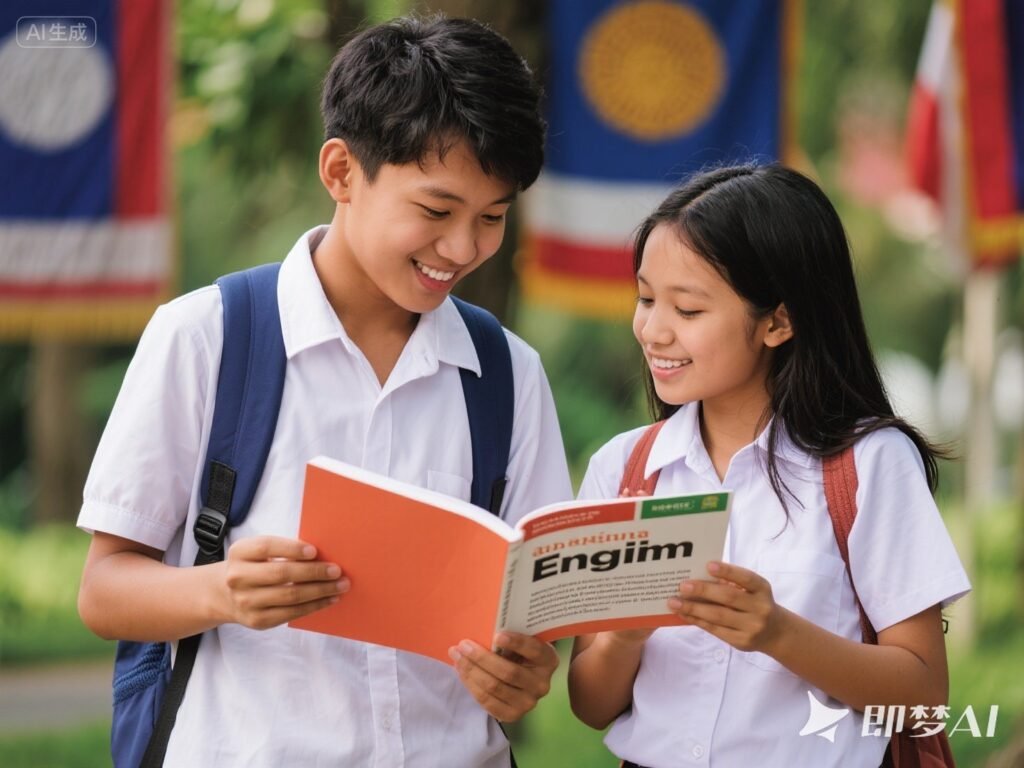
Trips to Europe or the U.S. are too expensive, while learning English at home feels too boring. Whether in Shanghai, Tokyo, or Seoul, parents share the same anxiety: How can children truly “speak out” in English?
In recent years, more East Asian families have turned their eyes to Southeast Asia. Multicultural cities such as Malaysia, the Philippines, and Singapore are becoming popular destinations for English learning and international experience.
But is taking your child thousands of kilometers away to study English simply “follow-the-crowd consumption,” or is it actually a “global optimal choice”? This article combines family case studies and regional comparisons to provide a practical decision-making framework.
On the Ground: 22 Days in Kuala Lumpur, Between Immersion and the “Comfort Zone”
This summer, Wange spent 22 days in Kuala Lumpur with her child, joining a three-week English learning program.
At the language institute, each class had around a dozen students, all with Chinese as their mother tongue.
She and a friend rented an apartment near the Petronas Twin Towers. Since her child wasn’t used to the local food, she often bought groceries at the market and cooked at home.
The total cost for nearly a month—including tuition, accommodation, meals, and round-trip airfare—was about RMB 15,000 for one adult and one child.
“The effect was quite good. It was full English thinking—teachers explained words and sentences in English, not by translating from Chinese. Teachers included both native speakers from the U.S. and U.K. and local Malaysians and Indians who grew up fluent in English. Listening and speaking improved especially fast,” said Wange.
Why Southeast Asia Is Emerging as a “Global Optimal Choice”
Southeast Asia is becoming the “global optimal” destination for Chinese, Japanese, and Korean families for three main reasons:
Accessibility & Policy Friendliness: Direct flights from major East Asian cities take 4–6 hours. For example, Malaysia allows 30-day visa-free entry for Chinese citizens until the end of 2026. Parent-child short-term study is very convenient.
Real Usage Scenarios: English is widely used in education and public services in the Philippines and Malaysia. Singapore uses English as an administrative language across schools and workplaces.
Sustainable Cost: Compared with study tours in Europe, the U.S., or Australia costing tens of thousands, Southeast Asia offers far better value. Malaysia’s typical monthly family budget is RMB 12,000–20,000.
Singapore, Malaysia, Thailand… Which Country Offers the Best Value?
The most practical consideration in choosing Southeast Asia is cost. Compared with tens of thousands of RMB in Europe/Australia, Southeast Asia is far more affordable. Many regions also have well-established English training programs, with real language environments in places where English is official or widely spoken.
Comparison framework:
A. Language immersion intensity (class & outside exposure)
B. Faculty & curriculum maturity
C. Cost & convenience
D. Family-friendliness (safety, food, culture, healthcare)
| destination | Aimmerse | Bcurriculum | Cprimecost | DFamilyfriendly | Coreimage |
| Philippines (Cebu, etc.) | ★★★★★(1 to 1 + group, 24/7 English) | ★★★★☆(Exam/General/business English mature) | ★★★★★(Overall best value for money) | ★★★☆(The choice of city and campus is crucial) | Short-term oral breakthrough, exam sprint |
| Malaysia (Kuala Lumpur, etc.) | ★★★☆(It is easy to have a “thermosphere” in Chinese) | ★★★★(Foreign/local teachers (coexist) | ★★★★(Verified 12,000-20,000/month) | ★★★★☆(Visa-free, no time difference, self-catering) | Family friendly, comfortable and balanced life |
| Singapore | ★★★★(High density of English on and off campus) | ★★★★★(Systematic, first-class stability) | ★★(High prices, high total costs) | ★★★★★(Public security, medical care, and stability of rules) | Adequate budget and pursuit of top-level stability |
| Thailand | ★★★(High internationalization and diverse students) | ★★★(Schools are uneven) | ★★★★(Cost control) | ★★★(Regional differences are large) | Social diversity + travel experience |
| Vietnam | ★★☆(Focus on summer camp/children) | ★★★(Specific school/project) | ★★★★(Low cost) | ★★★(Visa and adaptation requirements) | Children’s camps are budget sensitive |
| Indonesia | ★★(English (non-official) | ★★☆(Projects are scattered) | ★★★★(Low cost) | ★★★(Holiday + study scenario) | Vacation is an experience |
Country-by-Country Breakdown: Real Advantages vs Hidden Costs
(1) Philippines | “1-on-1 intensive + full environment” — Fastest way to overcome speaking barrier
(2) Malaysia | “Comfortable life + cost-friendly” — Balanced for families
(3) Singapore | “Systematic and reliable” — Best for academic or rule-focused families with higher budgets
(4) Thailand | “International social hub” — Diverse peers, but quality varies greatly
(5) Vietnam | “Kids’ camps + low cost” — Good for young learners, less for real immersion
(6) Indonesia | “Vacation-style + low cost” — More for experience than deep learning
Conclusion: No “Single Best,” Only What Fits You Better
When language learning and sustainable investment are equally important, Southeast Asia is not just a substitute, but a practical choice balancing cost and effectiveness. The key is not “where is best,” but how your goals, budget, and child’s personality align with the local ecosystem.
Aligning these three is the true “global optimal choice.”