(News Analysis)More Than 80% of Japanese Companies Maintain China Strategy
(Asia Financial Observer correspondent Jiuri, Jan 6, Tokyo)
Amid rising concerns over geopolitics and economic security, Japanese companies are displaying a nuanced stance toward China—cautious, but not retreating.
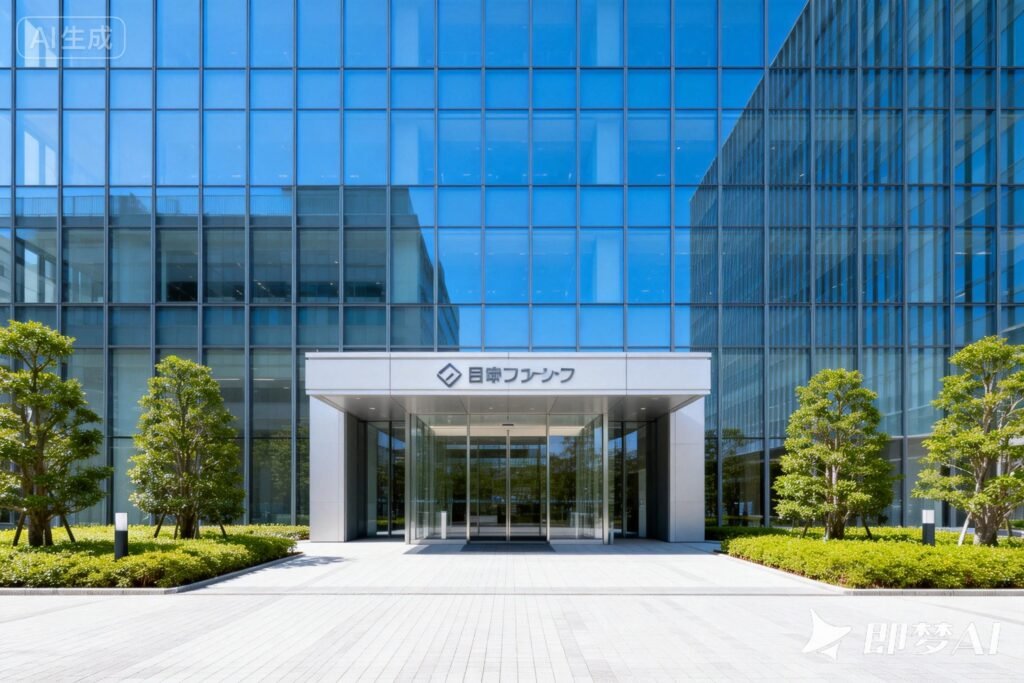
A recent survey released by Nikkei targeting executives of major Japanese corporations shows that while more than 60 percent of respondents believe deteriorating Japan–China relations have negatively affected their business environment, 85.6 percent said they would not alter their existing China strategies. The findings underscore the continued, pragmatic reliance of Japanese companies on the Chinese market.
Conducted from early to late December, the survey covered top executives—including presidents and chairmen—at 141 large Japanese companies. Regarding the outlook for bilateral relations, 67.3 percent described the trend as “negative” or “generally negative,” reflecting widespread concern that political risks could spill over into corporate operations.
In contrast to these risk perceptions, actual corporate behavior remains restrained. Most companies have not pursued large-scale adjustments or withdrawals from China, instead opting to maintain operations within existing frameworks while strengthening risk management. Fewer than 20 percent of respondents said they had already adjusted, or were considering adjusting, employee travel to China. Some manufacturers have introduced temporary measures such as limiting non-essential business trips to enhance personnel safety.
In terms of policy expectations, “economic security” topped the list of priorities. More than 40 percent of executives called for clearer institutional support from the government in areas such as supply-chain stability and access to critical resources—outpacing demands for subsidies in frontier sectors like artificial intelligence and semiconductors, as well as inflation-related measures. This preference highlights a growing reliance on state-level frameworks to mitigate external risks amid global uncertainty.
At the same time, the survey indicates broad support for the government’s proactive fiscal stance, though some executives cautioned that fiscal discipline should be maintained to avoid undermining market confidence.
Industry observers note that the survey captures the current reality facing Japanese companies. China remains difficult to replace across sectors such as manufacturing, construction, and consumption. Yet uncertainty surrounding geopolitics and security is forcing companies to adopt a more cautious approach to personnel movement, investment pacing, and risk assessment.
In the foreseeable future, a pattern of “unchanged strategy, tighter tactics” toward China is likely to become the norm for Japanese companies navigating fluctuations in bilateral relations.