A New Frontier in Anti-Aging: Ciliary Regulation + LCA
While global health supplement markets continue to debate the legality of NMN (Nicotinamide Mononucleotide), one of the most talked-about anti-aging ingredients in recent years, Chinese scientists have taken the fight against aging to an entirely new molecular level.
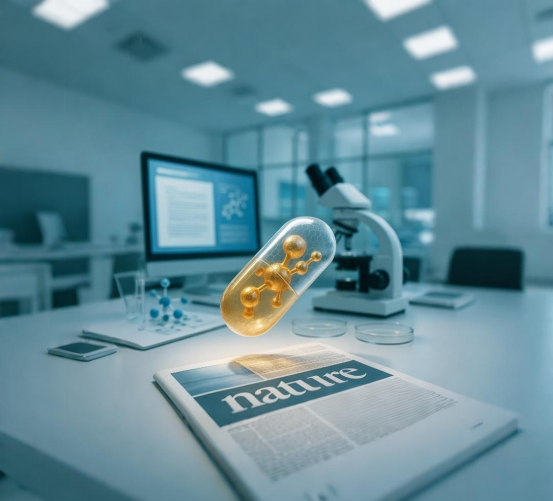
In 2024, two groundbreaking papers published consecutively in Nature revealed that a combination strategy involving the ciliary regulatory protein TULP3 and the bear bile-derived compound LCA may offer a more targeted and effective anti-aging approach than NMN, which works by boosting NAD⁺ levels.
A research team led by an academician from Xiamen University discovered that cellular cilia—previously overlooked—act as a “molecular command center” that governs aging processes. The TULP3 protein functions like a “customs officer,” precisely controlling which signaling molecules are allowed into the cilium, thereby regulating aging-related pathways.
According to the researchers, while NAD⁺ supplements act like recharging a battery, TULP3 regulation is akin to repairing the charger itself. In experiments, mitochondrial efficiency improved by 37%, effectively restoring the cellular metabolism of a 70-year-old to that of a 50-year-old.
Meanwhile, LCA mimics the benefits of caloric restriction without the need for actual dieting. Animal studies showed that subjects treated with LCA experienced a 23% increase in lifespan and a 40% improvement in physical endurance. Reviewers from Nature described the findings as “one of the most translatable discoveries in aging biology in the past decade.”

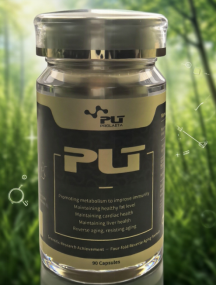
Based on this research, Hengsheng Biotech, a company based in Macau, developed an anti-aging supplement called PLT, using a proprietary “longevity nucleic formula.” This formulation combines deep-sea lipids, plant phospholipids, and beehive extracts to enhance nutrient absorption. The PLT capsules have already entered Asian markets via Macau and are set to launch in Europe and North America next year.
According to the International Institute for Aging Research, this breakthrough opens a promising new direction in anti-aging science. However, more human clinical data is still needed to confirm the effects. The research team has already initiated international clinical trials to assess its impact on human aging markers.
Industry analysts predict that anti-aging technologies based on cellular rhythm regulation could give rise to a multi-billion-dollar market within the next five years.