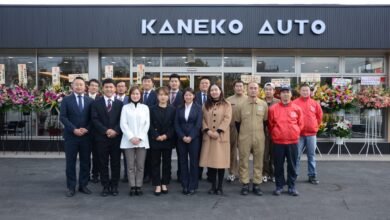
Health Seminar Held by the Japan Changchun Chamber of Commerce at Changchun Hall in Ayase Wang Peng Shares Insights on Healthy Longevity and Lifestyle Habits from the Perspective of Preventive Medicine
On May 17, 2026, a seminar themed “For Better Health”, organized by the Japan Changchun Chamber of Commerce, was held at Changchun Hall in Ayase, Tokyo. Mr. Yuan Lin, President of the Chamber, delivered the opening remarks, and Executive President Wang Gang chaired the event. Participants gathered to learn and exchange ideas centered on the theme of health.
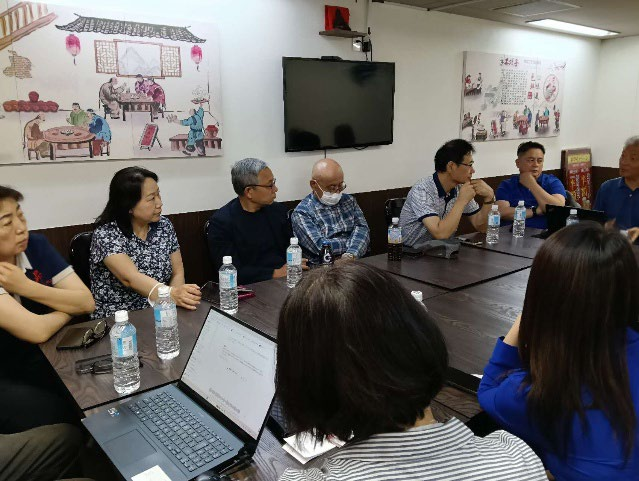
During the self-introduction session, Wang Yunfa introduced an intensive preparation program for the Japanese Language Proficiency Test (JLPT) N2. Other participants from diverse professional backgrounds also shared their personal and professional experiences, including Wang Huizi, who previously worked as a Japanese language teacher and in trade, and currently serves at a regenerative medicine hospital in Jimbocho with experience in home medical care; and Shen Weiguo, who came to Japan from Australia and now supports Japanese small and medium-sized enterprises in expanding overseas.
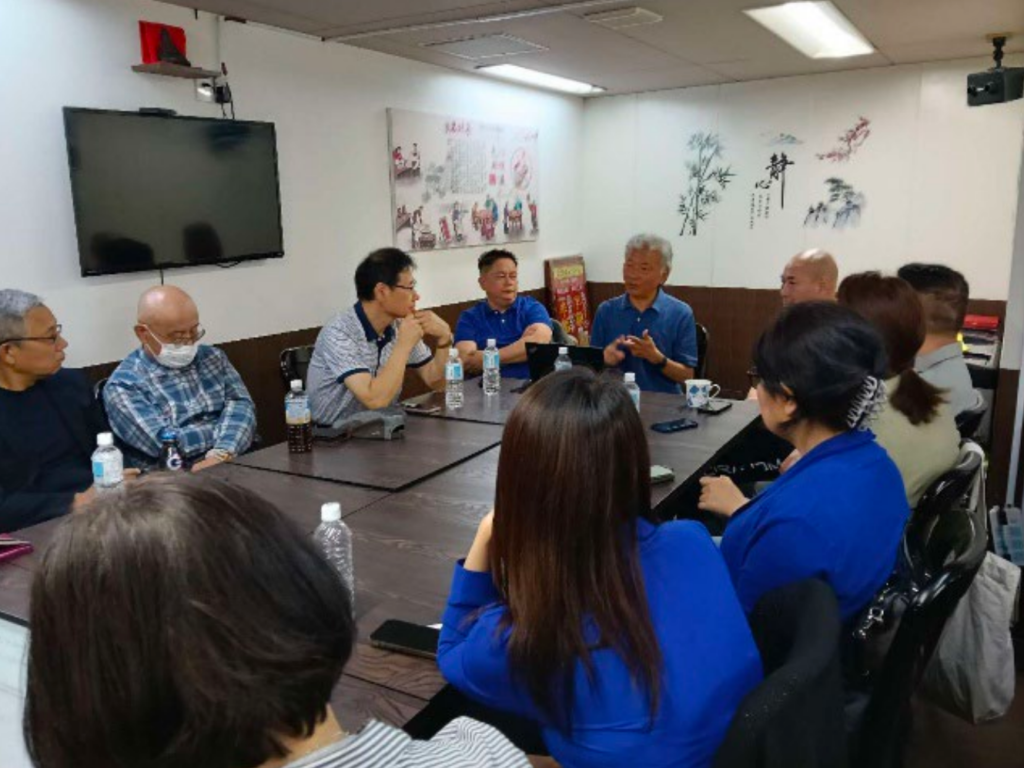
The keynote lecture was delivered by Wang Peng, a researcher at the Chinese Preventive Medicine Association. From the perspective of preventive medicine, he provided a systematic explanation of how to extend healthy life expectancy. He emphasized that the true goal of modern health management is not simply to live longer, but to extend one’s “healthy lifespan”—the years in which a person can live independently without relying on medical treatment or long-term care.
The Difference Between Life Expectancy and Healthy Life Expectancy
Wang first clarified the concepts of average life expectancy and healthy life expectancy. He explained that average life expectancy is a statistical indicator reflecting society as a whole and does not mean that every individual will live to that age. Even if one lives longer, the quality of life may decline significantly if the later years are spent in illness or requiring care. Therefore, the core objective of modern health management is to maximize the years of healthy, independent, and active living.
Primary Prevention: Lifestyle Is the Key
Wang stressed that health is influenced not only by medical technology and healthcare services, but also significantly by daily lifestyle habits. Medical advances alone can only do so much; improvements in diet, exercise, sleep, mental well-being, smoking and drinking habits, and reducing sedentary behavior are fundamental to primary prevention. He emphasized that preventing disease before it occurs is far more effective than treating it afterward—this is the central philosophy of preventive medicine.
During the lecture, Wang introduced a simple self-assessment checklist consisting of five questions:
Do you exercise less than 150 minutes per week?
Do you sleep less than seven hours per night?
Do you frequently eat out or order takeout?
Have you felt anxious or emotionally low within the past three months?
Do you smoke, or sit for more than eight hours a day?
He explained that these questions can help people recognize the gap between their “health age” and their actual age.
Diet, Exercise, and Sleep: The Three Pillars of Health
Regarding diet, Wang emphasized the importance of high-quality protein intake. He noted that maintaining muscle mass requires both adequate protein and physical activity; neither can be neglected. Fish, eggs, meat, beans, and soy products are all excellent protein sources. At the same time, a balanced intake of vegetables, fruits, legumes, and grains should be maintained, while processed foods and excessive sugar should be reduced.
On exercise, Wang noted that simply walking or jogging may not be enough. In addition to aerobic exercise, strength and resistance training should be incorporated to prevent age-related muscle loss. Activities such as racket sports and swimming are especially beneficial, improving coordination, flexibility, reaction speed, and muscular agility. He also reminded middle-aged and older adults to monitor heart rate and blood pressure during exercise and stay within safe physical limits.
Regarding sleep, Wang pointed out that sleep quality should not be judged solely by duration, but by whether it affects daily life and work the next day. He particularly warned that anxiety about “not sleeping well” can itself create a vicious cycle, and encouraged participants to adopt a more natural and relaxed attitude toward sleep.
Mental Health and Social Connection: Overlooked Dimensions of Well-being
Wang further emphasized that health includes not only physical well-being, but also mental health and social connectedness. He noted that simply gathering and having enjoyable conversations with fellow townspeople can positively support mental health. Social interaction and human connection are among the most important pillars of primary prevention.
He also mentioned that activities such as music, meditation, Zen practice, tea ceremony, and mindfulness can help individuals find relaxation methods suited to their own needs and achieve inner calm.
Health Screening, Vaccines, and Vascular Health: Early Detection and Prevention
Wang also introduced several preventive medicine topics that have received growing attention in recent years, including the relationship between gut health and chronic disease, the role of probiotics, the cautious use of antibiotics, appropriate timing for antiviral medications, testing for Helicobacter pylori, shingles vaccination, Lipoprotein(a) [Lp(a)], ApoB, and hypertension management.
He emphasized that people should not wait until illness develops before taking action, but instead make full use of advanced screening technologies and medical knowledge to identify risks early.
On vascular health, Wang explained that in addition to lifestyle habits, genetic factors and chronic inflammation can also influence cardiovascular risk. He highlighted the value of markers such as Lipoprotein(a) and ApoB in detecting hidden vascular risks that may not appear in routine health checks. Regarding hypertension, he stressed that even if blood pressure is well controlled with medication, patients should never stop taking prescribed medicine without consulting a physician.
Turning Knowledge into Action
In closing, Wang emphasized that acquiring health knowledge alone is not enough—what truly matters is putting it into practice and maintaining those habits over time. He acknowledged that changing lifestyle habits is difficult because health risks often do not appear immediately, but stressed that this should not discourage people.
Change does not need to happen all at once. It can begin with one small step: walking a little more, going to bed earlier, eating an extra serving of vegetables, or smoking one less cigarette. Even a small change in daily habits can make a meaningful difference.
This seminar provided an excellent opportunity for people from Changchun living in Japan and related participants to learn about healthy longevity, reflect on their lifestyles, and strengthen their personal and professional connections.