Materials Are Hard to Find, and So Are the Tools: The Survival Challenge Facing an Old Tokyo Craftsman
Interview with the Second-Generation Craftsman of Akatsuka Bekkō Seisakusho in Yanaka, Tokyo
Written by Zhao Shuhong and Li Da
Photography by Zhao Shuhong
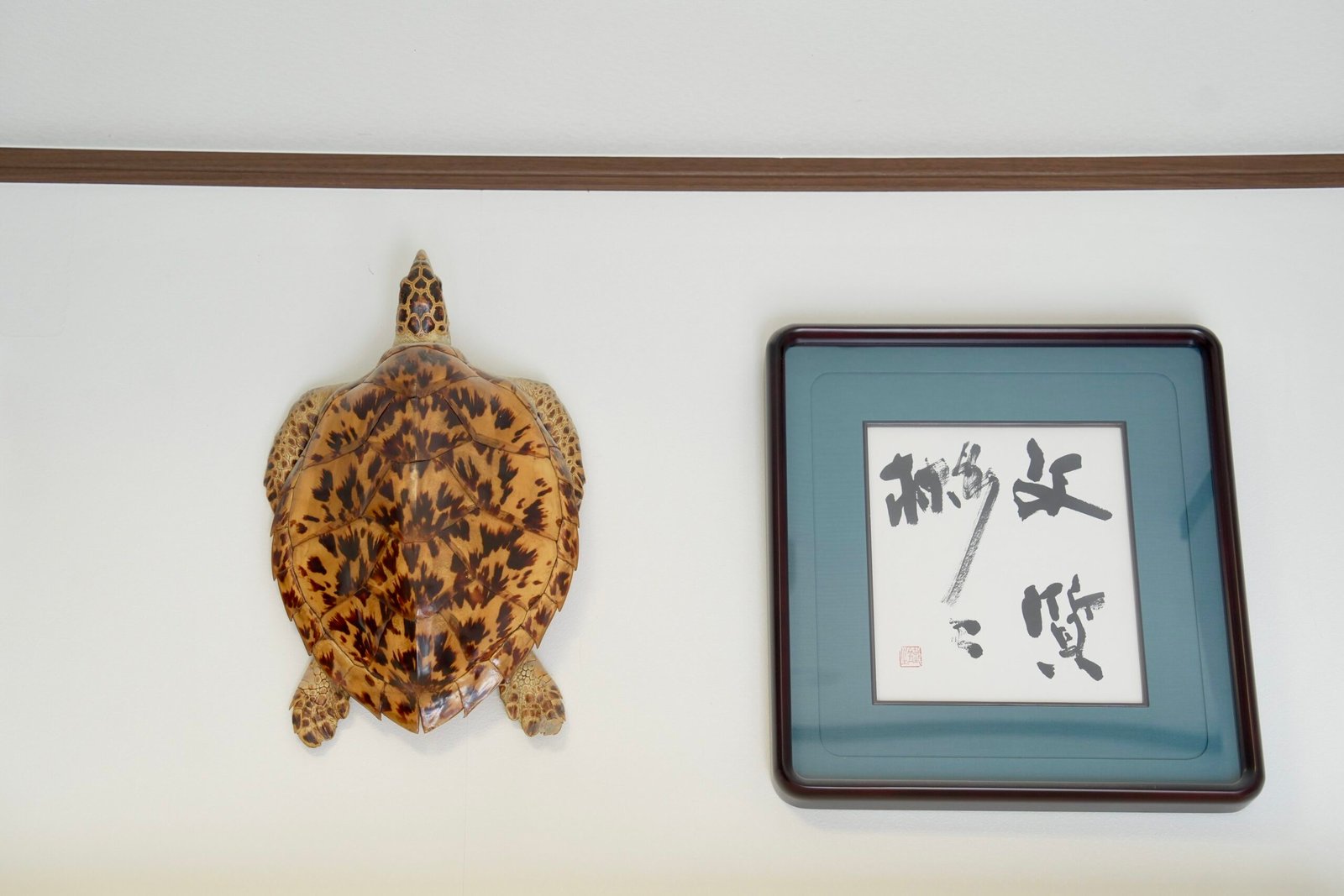
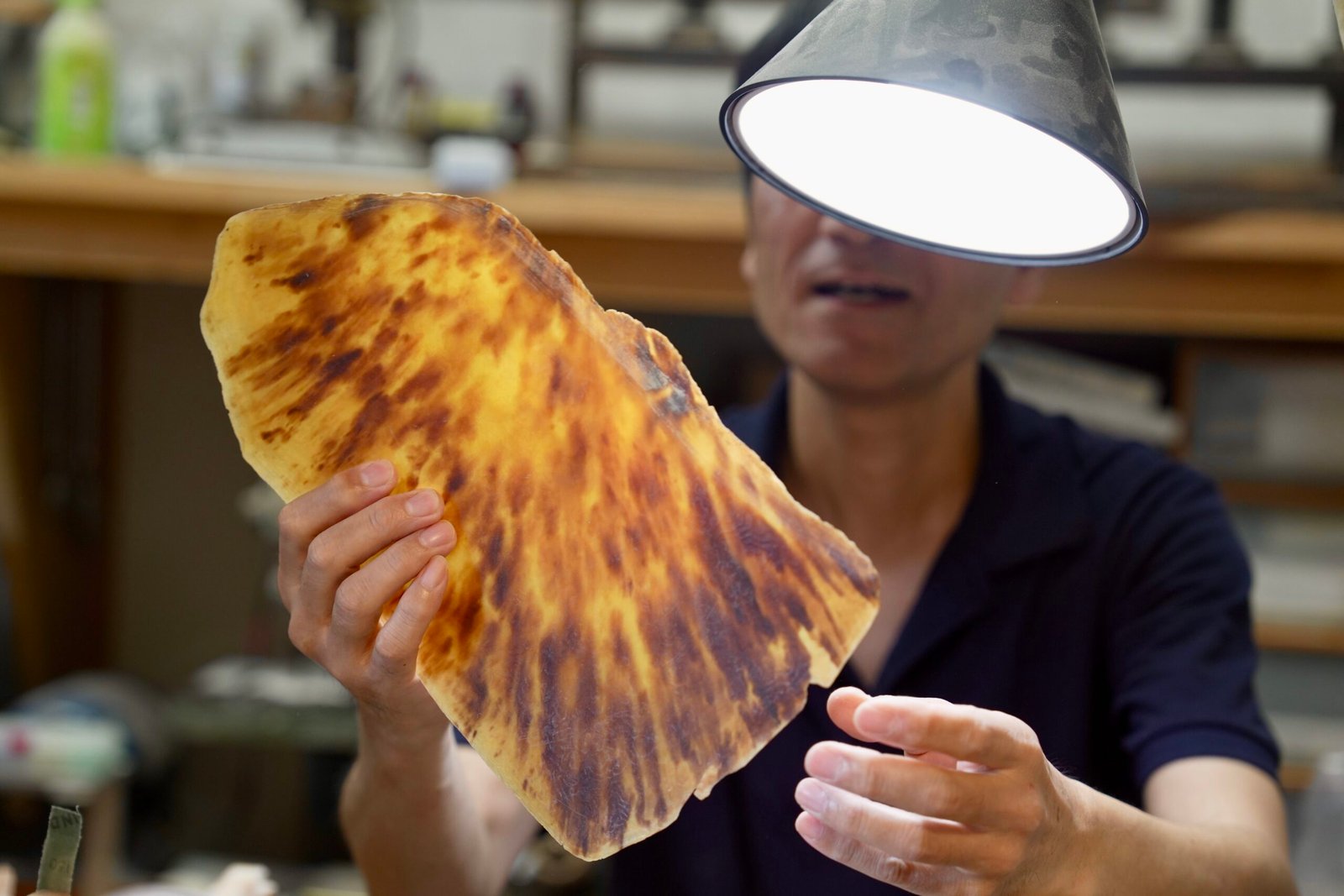
Bekkō, known in Japan as tortoiseshell craft, is a traditional craft made from the shell of the hawksbill sea turtle. Its naturally varied patterns, warm tones, and distinctive luster after careful hand polishing have long made it a prized decorative material.
In China, tortoiseshell has historically been valued in jewelry and traditional decorative arts. In Japan, bekkō craftsmanship has been closely associated with hair ornaments, eyeglass frames and other objects since the Edo period, carrying its own long tradition of aesthetics and craftsmanship.
Yet behind this beauty and rarity lie two increasingly serious problems: the raw material has become extremely difficult to obtain, and even the specialized tools needed to work it are becoming scarce.
From Nippori Station in Tokyo, it takes about seven minutes on foot through the quiet lanes of Yanaka to reach Akatsuka Bekkō Seisakusho.
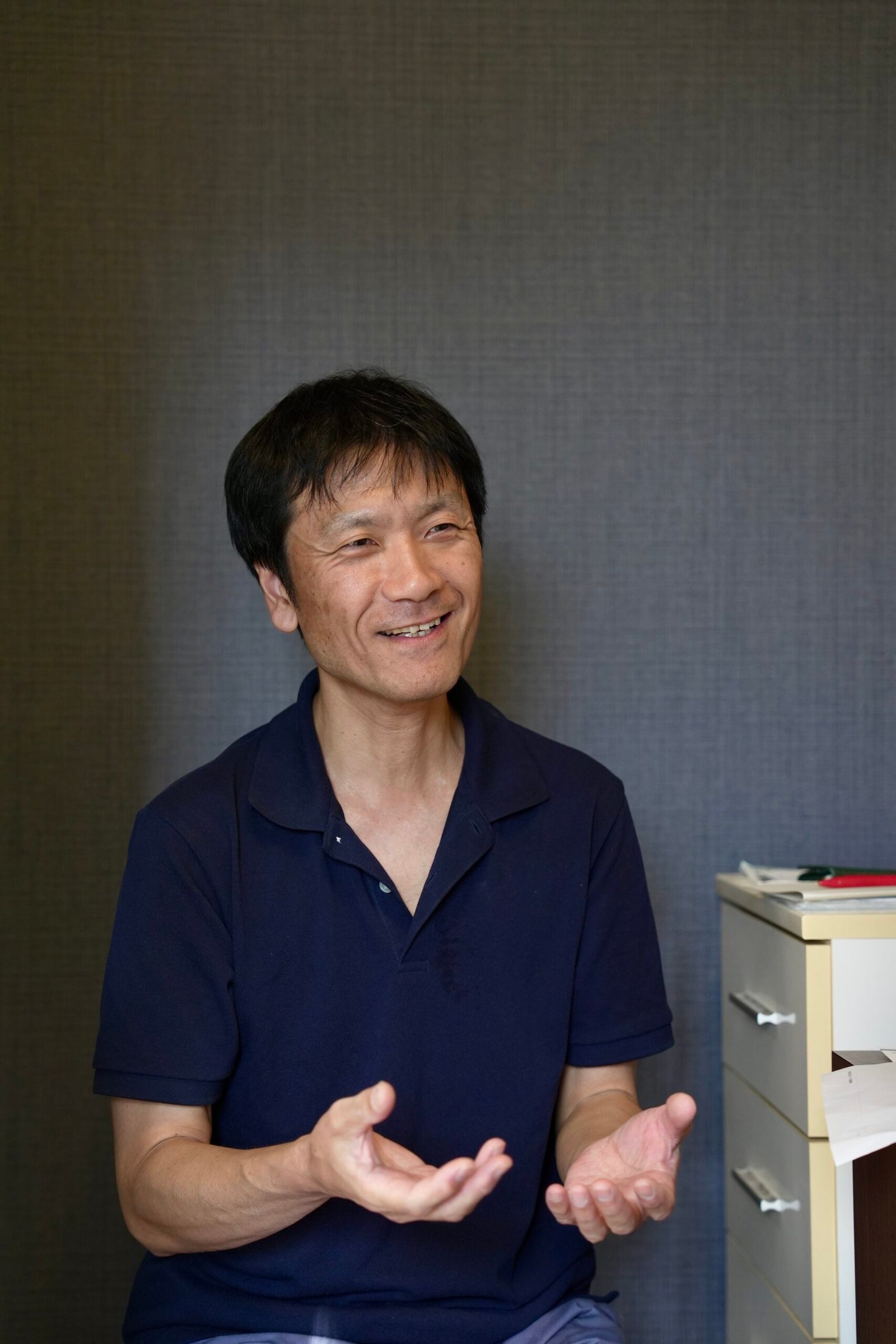
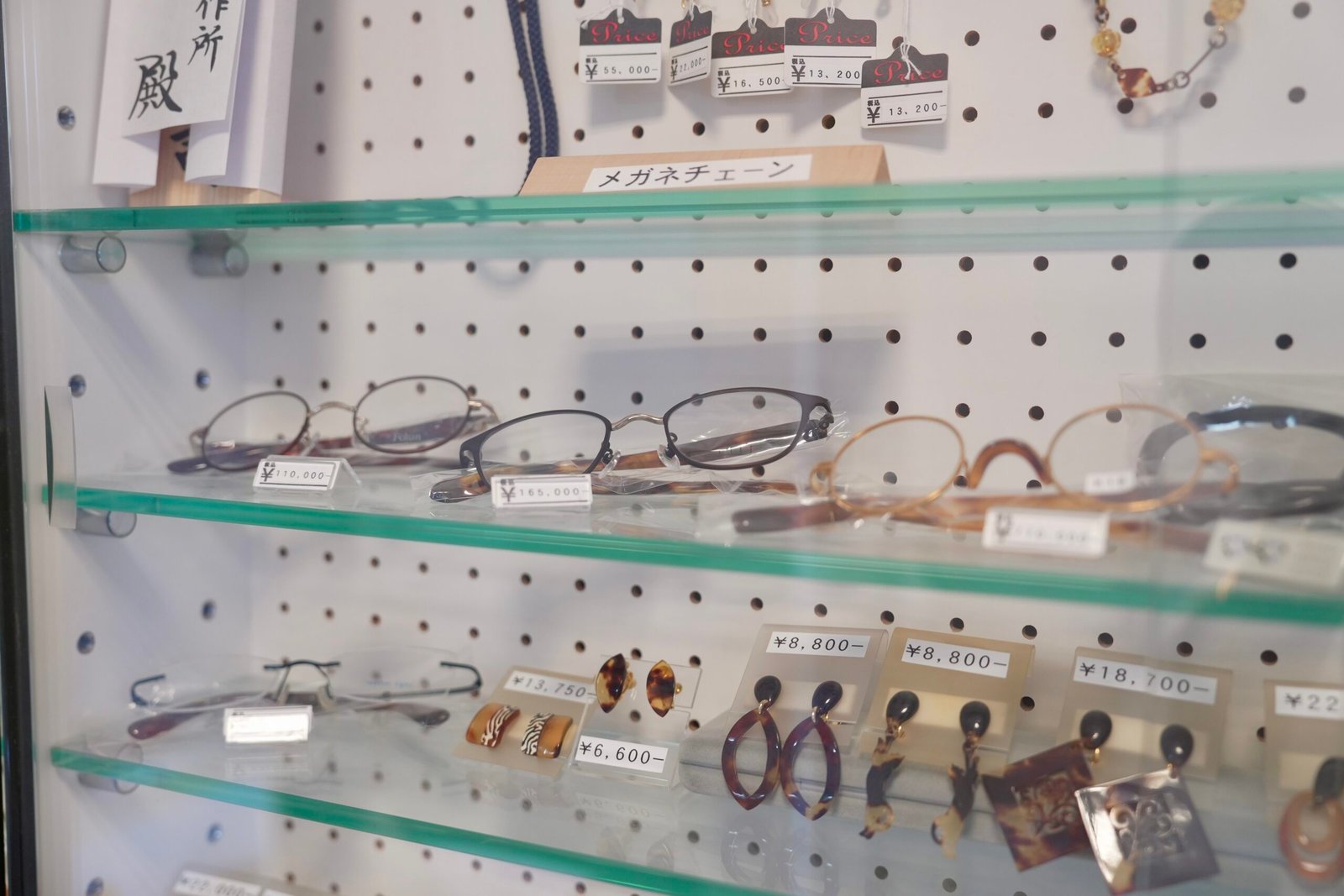
The shop is small and neatly kept. When we entered, 54-year-old second-generation craftsman Akira Akatsuka was working intently in the workshop at the back. Rings, necklaces and hair ornaments were displayed in glass cases, while the bright afternoon sun fell across the natural light-and-dark patterns of the tortoiseshell, giving them a soft, warm sheen.
Akatsuka entered the trade at the age of 23 and has now worked in the field for around 30 years. For him, the challenge is no longer only how to preserve the techniques inherited from his father, but also how to keep a small workshop operating in a changing market.
Raw Material Supplies Have Been Restricted for More Than Three Decades
Akatsuka says the biggest problem facing the tortoiseshell-processing industry is that raw material has been unavailable for import for more than 20 years.
The hawksbill turtle has long been an important material in Japanese traditional crafts. In 1992, international trade in hawksbill turtle products was fully banned under the Convention on International Trade in Endangered Species of Wild Fauna and Flora (CITES). Since then, Japanese tortoiseshell craftsmen have had to rely on stocks imported before the ban took effect.
Those inventories continue to shrink. Prices have risen, and usable material is becoming increasingly difficult to purchase.
The official traditional-craft website of Taito Ward states the problem directly in its profile of Akatsuka: one of the most serious challenges for tortoiseshell craftsmen is that the raw material has not been importable for more than 20 years. Existing stock is both expensive and difficult to obtain.
There have been attempts to artificially breed hawksbill turtles on Ishigaki Island in Okinawa, but there is still no clear prospect of producing material that can actually be used commercially.
Akatsuka says people in the industry continue to explore artificial breeding and other long-term supply solutions, but the cost and operating conditions remain major obstacles.
From Wholesale to Retail: A Move That Changed the Distance to the Customer
Akatsuka’s father learned traditional craftsmanship in the area before eventually becoming independent.
The original workshop stood near the border between Yanaka and Arakawa Ward, later moving deeper into one of the neighborhood’s narrow lanes. At the time, the workshop focused entirely on production. Finished products were passed to wholesalers and the craftsmen had little direct contact with consumers.
The change came almost by chance.
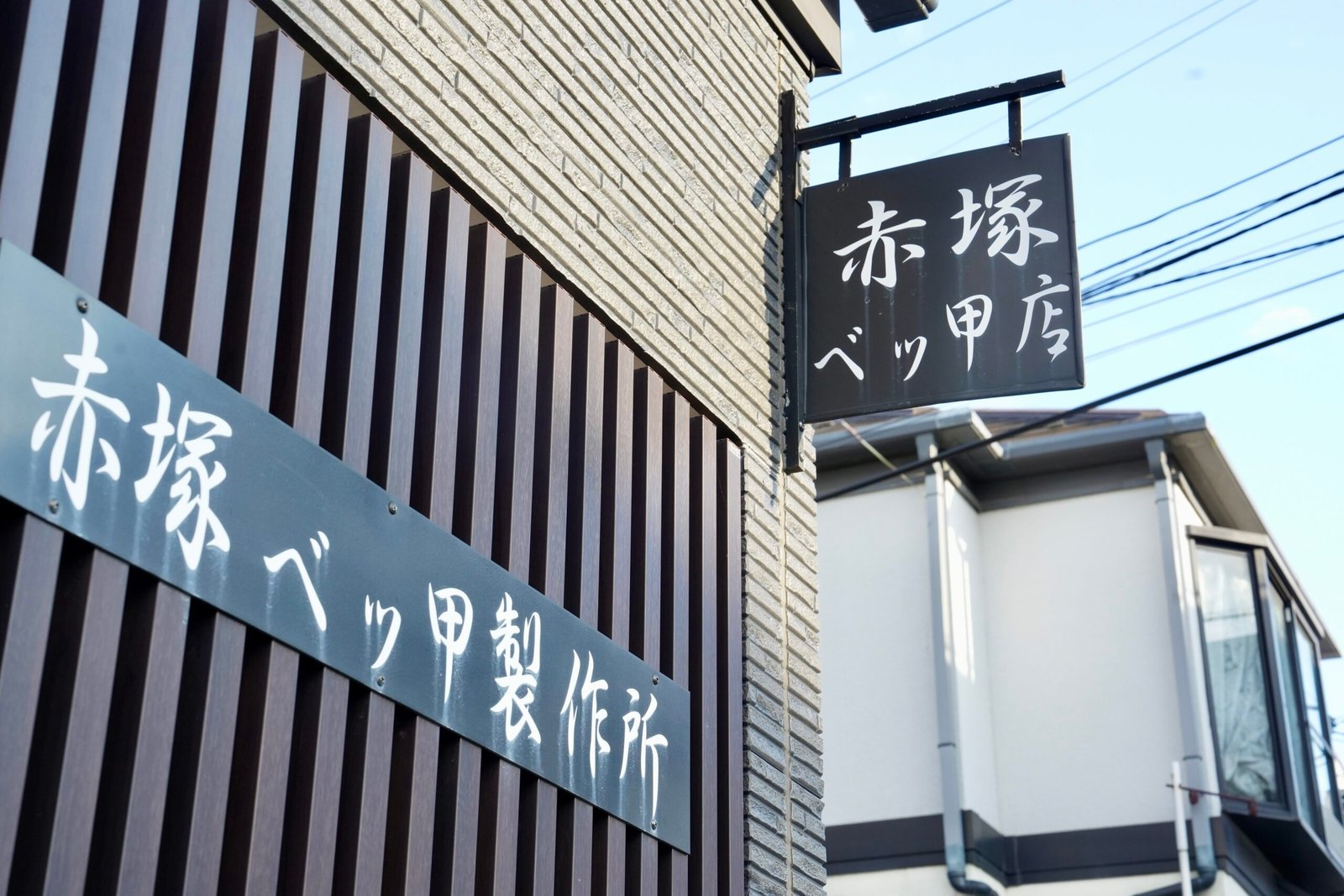
The current shop had originally been a rice-cracker store. After its owner died without a successor, the street-facing space became vacant. The Akatsuka family moved the workshop from the back alley into the new location.
From that point on, production and retail took place in the same space. Customers could enter the shop, browse finished products and speak directly with the craftsman about what they wanted.
Traditional wholesale, however, remains an important sales channel even today.
The Industry Is Shrinking, but Producers Are Disappearing Faster Than Demand
Akatsuka recalls that during Japan’s period of rapid economic growth, sales of traditional crafts were strong.
After the collapse of the bubble economy, however, consumer demand changed and some workshops gradually closed.
When he first entered the industry, the relevant trade association had more than 40 member companies. Today, that number has fallen to around 13.
Demand has declined, but the number of producers has fallen even faster.
For many years, the industry has survived in an environment where both supply and demand are contracting at the same time.
Files Are Becoming an Even Greater Concern Than the Material
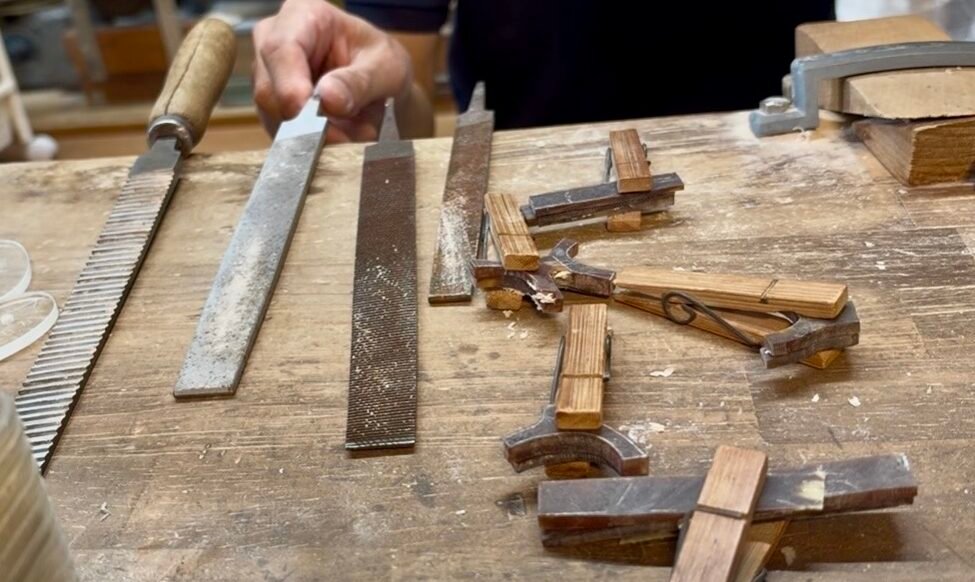
During the interview, Akatsuka showed us several specialized files used in traditional tortoiseshell processing.
They looked ordinary at first glance, but they are increasingly difficult to buy. Because the number of users is so small, the craftsmen who produce these specialized tools are also disappearing.
When Akatsuka learned that some toolmakers were preparing to shut down, he purchased a stock of files in advance for future use.
But files are consumable tools. With repeated use, they wear down and eventually have to be replaced.
If no one produces them in the future, even a workshop with experienced craftsmen may become unable to complete certain processes.
“Now it’s not only the material,” Akatsuka said. “The tools are becoming harder and harder to find as well.”
This problem is not unique to tortoiseshell craftsmanship.
Many traditional Japanese crafts depend on specialized toolmakers and material suppliers. When the number of craftsmen declines, the small manufacturers that supply them with equipment and materials also struggle to survive.
As a result, the interconnected manufacturing ecosystem supporting traditional crafts can gradually begin to break down.
The Future of Traditional Craft Is Not Just About Preserving the Past
Faced with changing market conditions, Akatsuka Bekkō Seisakusho has not relied entirely on old sales methods.
“Young people also come in for custom orders now,” Akatsuka said.
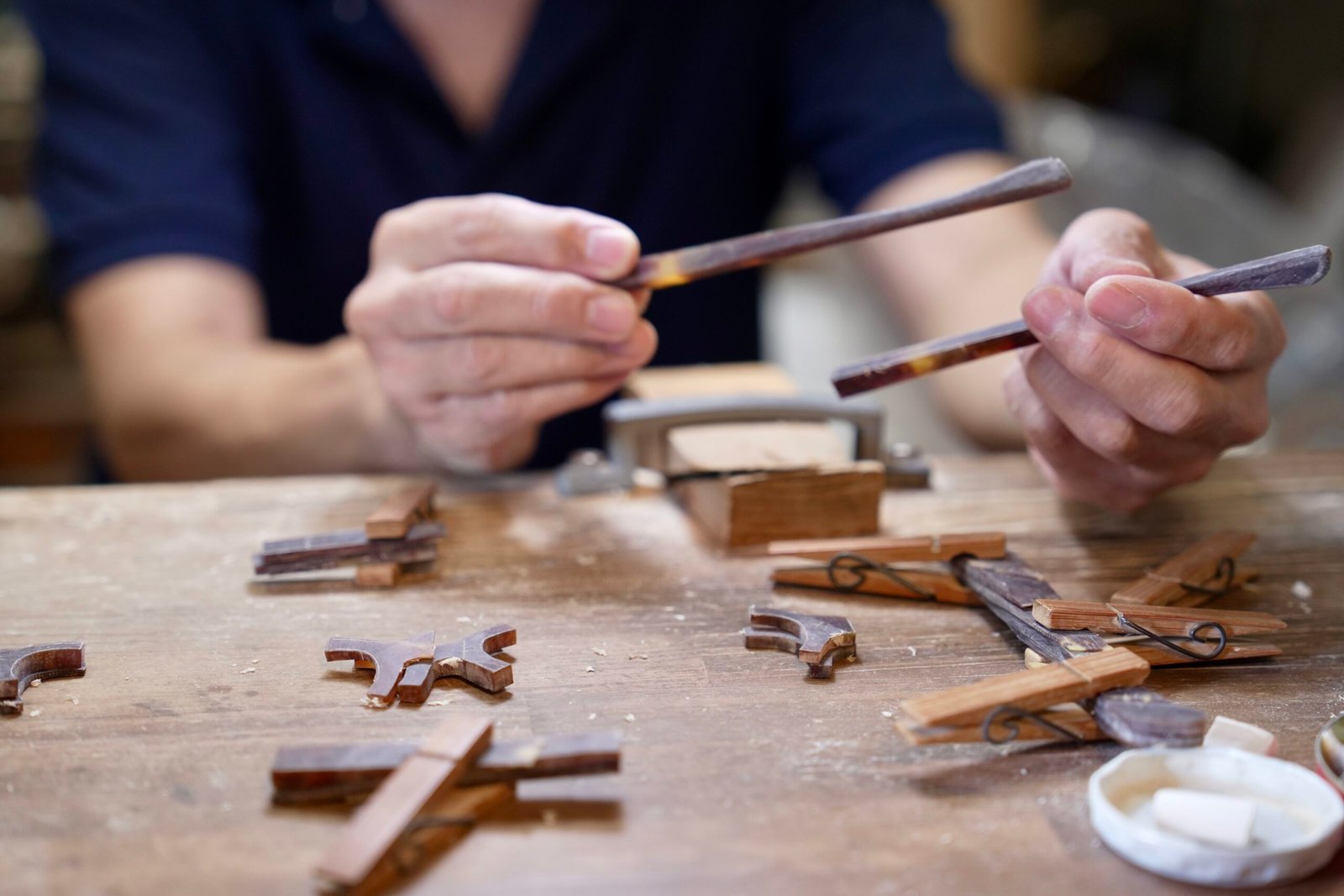
Some younger customers want accessories or eyeglass frames made according to their own preferences. Because each piece is handmade, the shape can be adjusted to the customer’s request, while the natural variation in color and pattern of the material allows each product to have its own character.
This kind of one-off customization cannot easily reduce costs through mass production, but it can meet growing demand for individuality.
At the same time, Akatsuka does not believe that the future of traditional craft lies only in becoming more expensive or more exclusive.
Traditional craft products, he notes, were originally objects used in everyday life. If they gradually turn into luxury artworks that only a small number of people can afford, they risk losing their connection with ordinary consumers.
For a small workshop, the long-term challenge is therefore not simply how to raise prices, but how to maintain handmade quality while ensuring that the products continue to have real users.
At the end of the interview, Akatsuka said he hopes more people will come to understand Japanese traditional crafts, and that younger generations will have opportunities to continue learning these techniques.
From a workshop hidden deep in the lanes of Yanaka to a street-facing shop combining production and retail, Akatsuka Bekkō Seisakusho has continued for decades.
The market is changing, and the workshop is searching for ways to continue through the everyday work of making and selling.
Passing on traditional craftsmanship is not simply about preserving the past.
It is about making sure that the craft can still be used, understood and sustained in the market today.
Note: In accordance with CITES and other relevant regulations, the export of tortoiseshell products is, in principle, prohibited.