BYD: Spanning Six Continents, “Capacity Going Global” Rewrites the Global Automotive Landscape
(Reported by Li Da from Tokyo) In June 2026, BYD’s first passenger vehicle plant in Europe, located in Szeged, Hungary, is entering a critical phase of equipment installation and commissioning. Although the mass production timeline has been postponed by about a year compared to the original plan of late 2025, the factory has been confirmed to officially launch vehicle assembly in the fourth quarter of 2026. The first mass-produced model will be the Dolphin Surf, a compact pure electric vehicle known domestically as the Seagull.
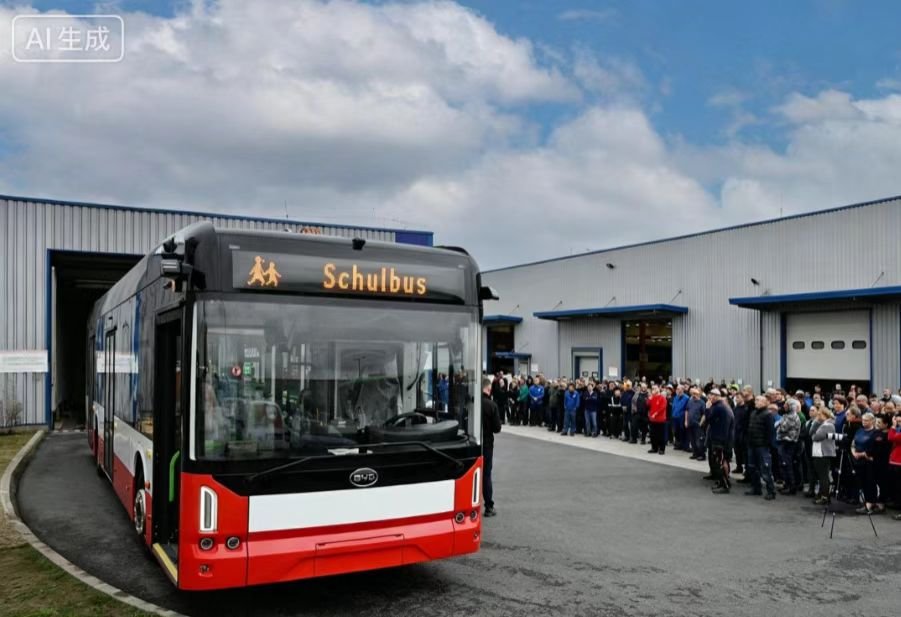
Prior to this, BYD announced an increase in its investment in the Brazilian plant from 3 billion reais to 5.5 billion reais, with plans to boost production capacity from 150,000 units to 300,000 units by 2026.
In Thailand, the 100,000th vehicle rolled off the production line at the Rayong plant in May 2026, taking less than two years from the start of production to reaching this 100,000-unit milestone.
In the first half of 2026, BYD’s global footprint expanded rapidly. Its global production capacity and market presence now span six continents, with operations covering 119 countries and regions. This has formed a global expansion pattern characterized by “leading in Latin America, breaking through in Europe, and flourishing across multiple points in the Asia-Pacific”.
Footprint: A Clear Global Production Capacity Map Emerges
BYD has set a sales target of 1.5 million vehicles in overseas markets for 2026. From North America to Australia, and from Europe to Japan, BYD is writing a new chapter for Chinese automotive expansion through its strategy of “covering global markets with global production capacity”.
Asia: Rayong, Thailand — The First Overseas Passenger Vehicle Plant
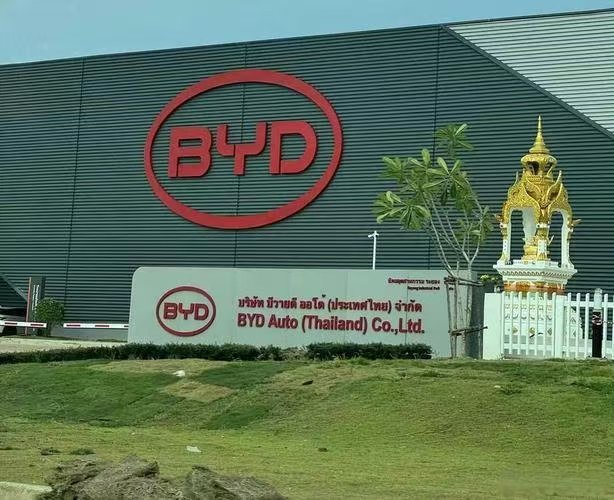
Overview: Located in Rayong Province, the Thailand factory commenced production in July 2024 and serves as BYD’s first overseas passenger vehicle plant.
Capacity & Jobs: The project took only 16 months from groundbreaking to production, boasting an annual capacity of 150,000 vehicles. It covers the four major manufacturing processes—stamping, welding, painting, and final assembly—as well as component production, and is expected to create approximately 10,000 jobs.
Milestones: On the opening day, BYD’s 8 millionth new energy vehicle (NEV) rolled off the line here. Currently, the plant has begun exporting the Dolphin EV to Europe, and Phase II planning will expand capacity to 300,000 units.
Market Impact: Thailand has long served as an assembly hub for Japanese automakers like Toyota and Honda; BYD’s entry marks the disruption of this traditional landscape.
Uzbekistan: Meanwhile, the BYD Jizzakh plant in Uzbekistan officially rolled out its first batch of mass-produced vehicles (the Song PLUS DM-i Champion Edition) on June 27, 2024, with an estimated initial phase annual capacity of 50,000 units.
Europe: Szeged, Hungary — The First Passenger Vehicle Plant in Europe
History: In 2016, BYD built a bus factory in Komárom, Hungary, which went into production in 2017. This was BYD’s earliest production base in Europe, falling under the commercial vehicle category.
The Szeged Plant: The Szeged factory represents BYD’s first complete passenger vehicle manufacturing base in Europe. The land pre-purchase agreement was signed in January 2024. Initially planned for late 2025, production was later adjusted to officially launch vehicle assembly in the fourth quarter of 2026, featuring the Dolphin Surf (Seagull) as its debut mass-produced model.
Strategic Priority: BYD Executive Vice President Stella Li explicitly stated that the Hungarian plant is the company’s top priority in its current European layout, with long-term planned annual capacity reaching over 150,000 vehicles.
Africa: Tangier, Morocco — The First Automotive Production Base in Africa
Overview: Located in the Tangier Tech City, the BYD Morocco plant covers an area of 50 hectares and officially went into production in 2021 with an annual capacity of 100,000 vehicles.
Strategic Location: Morocco’s geography holds unique strategic value—acting both as a gateway to the African continent and sitting adjacent to Europe as a hub connecting the two continents. Leveraging Morocco’s comprehensive free trade agreement with the EU and tariff reduction arrangements with the US, the factory effectively serves markets across North Africa and Europe.
Americas: Camaçari, Brazil — The Largest Production Base in a Single Overseas Market
Market Dominance: Brazil has become BYD’s largest single overseas market. In April 2026, BYD topped the Brazilian auto retail sales chart with 14,911 units sold in a single month, becoming the first-ever NEV brand to secure the retail sales championship in Brazilian history. Brazilian President Lula is also a BYD owner—having received a Tang EV in January 2024, followed by the delivery of BYD’s 14 millionth NEV, a Song Pro, from Wang Chuanfu in October 2025.
Investment & Scale: The flagship plant in Camaçari, Bahia, involves a total investment of 5.5 billion reais (approximately 7.23 billion RMB). Its current annual capacity stands at 150,000 units, with phased expansion plans targeting up to 600,000 units. Models like the Seagull, Destroyer 05, and Song Pro have already seen cumulative production exceed 50,000 units here.
Exports & Localization: In March 2026, the plant secured export orders totaling 100,000 vehicles, split equally with 50,000 units each for Argentina and Mexico. Alexandre Baldy, Senior Vice President of BYD Brazil, stated that the company is striving to achieve a 50% localization rate for Brazilian-made cars by early 2027. In the energy storage sector, BYD also plans to invest up to 500 million reais (around 658 million RMB) to build a battery energy storage system (BESS) production line.
North America: Detour Layout Under Policy Barriers
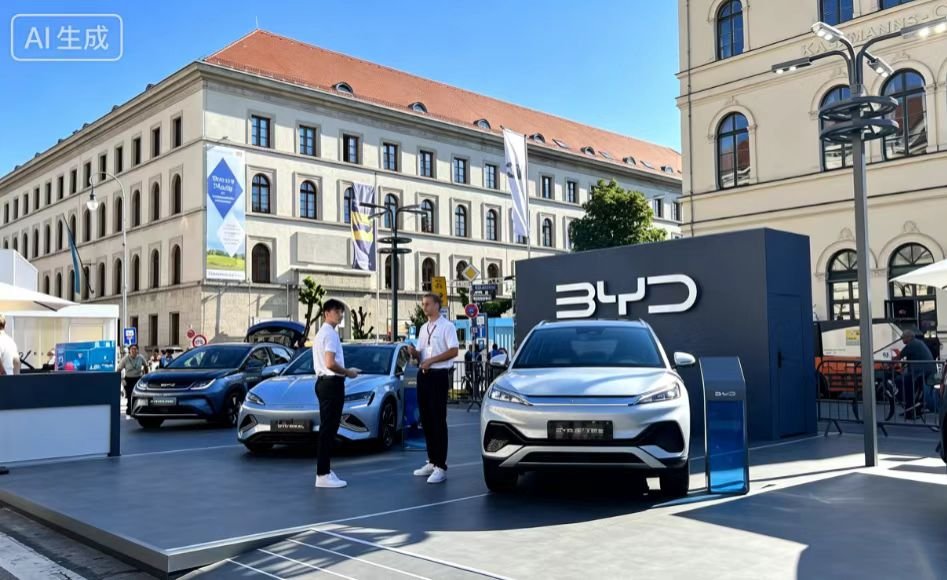
North America represents the most unique piece of BYD’s global map—boasting massive market potential but presenting exceptionally high entry barriers.
Commercial Vehicles: In the commercial vehicle sector, BYD operates North America’s largest pure electric bus factory in Lancaster, California, which opened in 2013. In 2026, the factory completed an expansion by adding wing workshops, bringing the total area to nearly 42,000 square meters—almost four times its initial scale—with an annual capacity of 1,500 pure electric buses. Since its inception, BYD has created nearly 800 full-time jobs in California, reaching 1,200 employees at peak capacity, and the factory runs 100% on renewable energy. BYD buses serve over 40 clients in North America, including LA Metro, Stanford University, and UCLA.
Passenger Vehicles: In the passenger vehicle sector, BYD is executing a detour strategy through Mexico and Canada. In 2025, BYD sold nearly 80,000 EVs and plug-in hybrid electric vehicles (PHEVs) in Mexico, capturing a roughly 70% share of that market segment. In March 2026, its Brazilian plant secured an export order of 50,000 vehicles destined for Mexico.
The Canadian Channel: Canada provides another pathway. In March 2026, Canada officially abolished its 100% punitive tariff on Chinese-made EVs, shifting to a quota system—applying a 6.1% Most Favored Nation (MFN) tariff within an annual import quota of 49,000 vehicles. In June 2026, BYD Executive Vice President Stella Li announced that BYD will officially enter the Canadian market by the end of 2026, launching an initial wave of over 20 dealership stores across Toronto, Vancouver, Montreal, and Calgary. The first batch of models will include the Yuan PLUS (Atto 3), Seal, Dolphin, and Seagull.
Strategy Note: BYD’s approach in North America is a classic “encircling the cities from the countryside” tactic—first establishing a foothold with commercial vehicles, and then using Mexico as a production base and Canada as an export channel to close in on the North American market.
Australia: The Fastest-Growing Overseas Market
Australia stands out as one of BYD’s top-performing overseas markets. Since entering in November 2022, BYD achieved cumulative deliveries of 100,000 vehicles in less than three and a half years, setting the fastest growth record for any Chinese automotive brand in Australia.
Market Share Surge: In April 2026, BYD sold 7,702 vehicles in Australia, jumping to second place in national brand sales with an 8.3% market share, trailing only Toyota. May sales hit 8,211 units, maintaining a firm hold on second place. June sales reached 8,156 units, capturing a 6.7% market share and nearly doubling Tesla’s sales (4,589 units).
Exponential Growth: In the first four months of 2026, BYD’s cumulative sales hit 25,243 units, up 110.8% year-on-year; the first five months reached 33,354 units, up 120.1% year-on-year. BYD has claimed the top spot among EV brands in Australia. Kate Hornstein, Chief Marketing Officer of BYD Australia, noted: “BYD has kept its foot flat on the accelerator.”
Product & Model Shifts: On the product side, BYD has expanded its lineup in Australia to six pure electric models and five plug-in hybrid models, covering Australia’s best-selling segments. The Sealion 7 pure electric SUV is Australia’s second best-selling electric model, while the Shark 6 plug-in hybrid pickup sold 2,993 units in June, cracking the top ten in overall vehicle model sales. In mid-2025, BYD reclaimed its Australian distribution rights from third-party distributors, shifting to a self-operated distribution model.
Reshaping the Market: BYD’s rise in Australia is rewriting a market long dominated by Japanese brands. By March 2026, Chinese brands accounted for one-third of all new car sales in Australia, and by April 2026, China became Australia’s largest source country for new vehicles.
Japan: The Hardest Nut to Crack
Japan is widely recognized as “the world’s most closed automotive market”—where the top ten best-selling brands are all domestic automakers, and local brands command a market share exceeding 90%. Even Volkswagen, a global sales leader, sells fewer than 30,000 units annually in Japan.
Starting from Scratch: BYD started from zero here. In 2015, BYD electric buses entered Japan, marking the first time a Chinese-branded car was sold in the country. In July 2022, BYD officially entered the Japanese passenger vehicle market. By the end of March 2026, BYD had introduced four pure electric models (ATTO 3, DOLPHIN, SEAL, SEALION 7) and one plug-in hybrid model (SEALION 6) to Japan.
Sales Growth: In the first quarter of 2026, BYD’s sales in Japan increased by over 100% year-on-year, achieving a doubling of growth. In March 2026, BYD’s vehicle registrations in Japan reached 625 units, nearly doubling year-on-year.
Subsidies Challenge: The challenges BYD faces in Japan go far beyond the market itself. In early 2026, the Japanese government adjusted clean energy vehicle subsidy rules. BYD’s per-vehicle subsidy plummeted from 350,000–450,000 yen down to 150,000 yen. Meanwhile, Toyota’s bZ4X received a 1.3-million-yen subsidy, and Tesla’s subsidy rose from 870,000 to 1.27 million yen, creating a maximum per-car subsidy gap of 1.15 million yen.
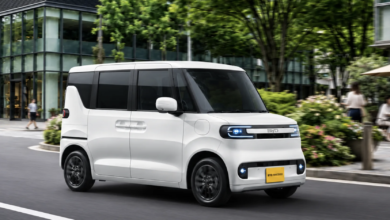
Countering the Barriers: In the face of these policy barriers, BYD chose to deepen its presence against the current. Since opening its first store in January 2023, BYD has established 70 sales outlets in just over three years, covering Japan’s eight major administrative regions. BYD also plans to launch a K-Car model specifically customized for the Japanese market called the “BYD RACCO” (Sea Otter), which is expected to hit the market in the summer of 2026 priced at around 2.6 million yen. In the commercial vehicle sector, BYD commands over an 80% share of Japan’s electric bus market.
Summary of Global Footprint
In BYD’s global layout, Latin America and Southeast Asia currently stand as the two core production regions. Brazil and Thailand are the two largest overseas production bases already in operation, while the commissioning of the Indonesia plant further refines its Southeast Asian footprint.
The European layout is entering a critical phase; the commissioning of the Hungarian plant will be BYD’s top priority for the second half of 2026, serving as a vital step to circumvent EU tariffs and achieve true localization. The North American strategy remains variable—while commercial vehicle operations are expanding, the passenger car market is incredibly difficult to enter due to tariff policies, leaving the Mexico factory plan clouded with uncertainty. Meanwhile, emerging markets continue to blossom across multiple fronts, and BYD’s global production capacity network continues to stretch outward.
Strategy: Covering Global Markets with Global Production Capacity
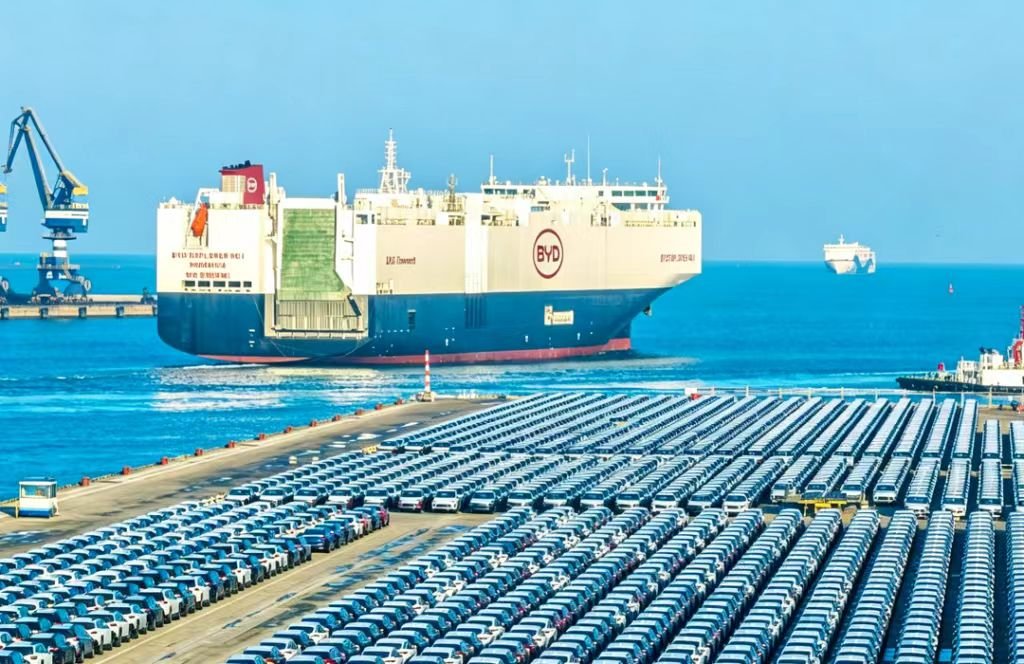
BYD’s logic for global expansion is essentially an industrial war of “covering global markets with global production capacity.”
Unlike traditional automakers who follow a gradual progression of “exporting first, building factories later,” BYD opted for a “capacity first” approach—investing heavily in localized production before the primary target markets have fully ramped up volume. The confidence behind this play stems from two core beliefs:
Faith in Economies of Scale: BYD firmly believes that in the NEV race, cost is the ultimate moat, and the ultimate source of cost advantage is scale. By deploying production capacity across four continents simultaneously, BYD is constructing a safety net: “No matter how tariffs fluctuate and no matter how policies adjust, cars can be produced locally and sold locally.”
Extension of Vertical Integration: BYD’s “capacity going global” is not merely about simple vehicle assembly; it involves transplanting the entire supply chain. In Thailand, BYD manufactures not just full vehicles, but also batteries and transmissions. In Brazil, passenger vehicle battery production forms the core component of the 5.5-billion-reais investment package. This “supply chain following” model transforms BYD’s overseas plants from mere assembly shops into manufacturing nodes equipped with complete industrial capabilities.
The commissioning of the Hungarian plant carries specific strategic weight: exporting Chinese-made EVs to the EU requires paying a 17.4% anti-subsidy tariff plus a 10% import tariff, totaling a comprehensive tax rate of roughly 27.4%. Once the Hungarian plant goes live, locally produced vehicles traded within the EU will enjoy zero tariffs, saving approximately 5,500 to 8,200 euros per car. This financial advantage serves as the core driver for BYD to accelerate its localized manufacturing in Europe.
Challenges: A Blue Ocean or a Red Ocean?
While BYD’s global production network continues to expand, the risks associated with its asset-heavy model are equally apparent. A single factory easily demands billions in investment; should capacity utilization drop, the financial pressure will be immense.
The Hungarian plant’s production timeline was delayed by about a year compared to the original plan, meaning BYD must continue to sustain its European supply through Chinese exports and tariff payments throughout 2025 and 2026. With BYD’s European sales approaching 188,000 units in 2025 (a 270% year-on-year increase), the additional tariff costs incurred by this one-year delay could scale into the hundreds of millions of euros.
The suspension of the Turkey project also exposes the complexity of geopolitics. Because Turkey is not a member of the EU Customs Union, it cannot bypass EU tariffs, forcing BYD to reallocate its resources. Concurrently, competition facing BYD in Europe is intensifying—although BYD’s 17.4% EU anti-subsidy tariff rate is lower than SAIC’s 38.1%, the urgency of localized production remains acute.
Policy risks in North America are similarly hard to ignore. The US maintains an approximate 100% tariff on Chinese-made EVs, effectively shutting down the market. While Canada opened up a quota channel of 49,000 vehicles annually, the 6.1% tariff applies only within the quota; anything exceeding it reverts to high punitive tariffs. Furthermore, the Canadian government requires that if Chinese automakers wish to break past the quota ceiling, they must establish joint-venture factories in Canada with Canadian majority ownership. Mexico allows Chinese automakers to build factories, but these projects face intense pressure from the rules of origin under the United States-Mexico-Canada Agreement (USMCA).
More alarmingly, growth in the global NEV market is slowing down. As this “blue ocean” shifts into a highly competitive “red ocean,” whether BYD’s global production capacity can maintain full-load operations will pose a severe test.