How a Chinese Entrepreneur Built Trust in Japan Over Ten Years — Interview with the President of Kaneko Motors
At a used-car dealership on the outskirts of Tokyo, seven to ten cars can be delivered over a single weekend. Customers are accompanied through insurance, parking certificates and registration procedures. Before delivery, each vehicle goes through maintenance, inspection and deep cleaning, down to the smallest gaps and corners. On delivery day, there is a handover ceremony and flowers. After the sale, staff call customers to ask how the car is running and whether the salesperson explained everything clearly.
Some customers even bring their cars back six months later and ask the shop to restore them to the same condition as on delivery day.
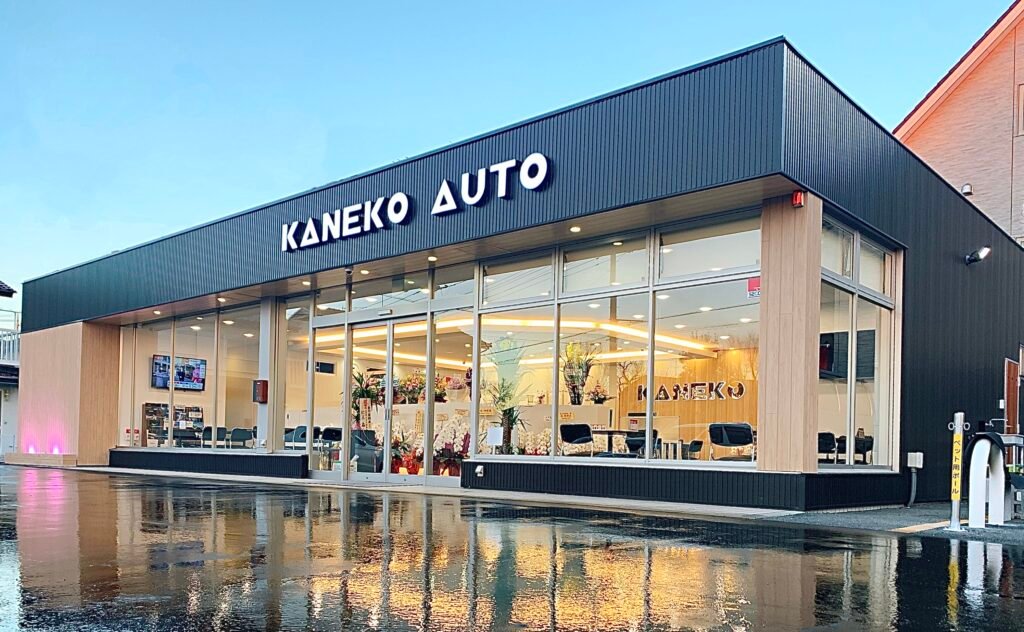
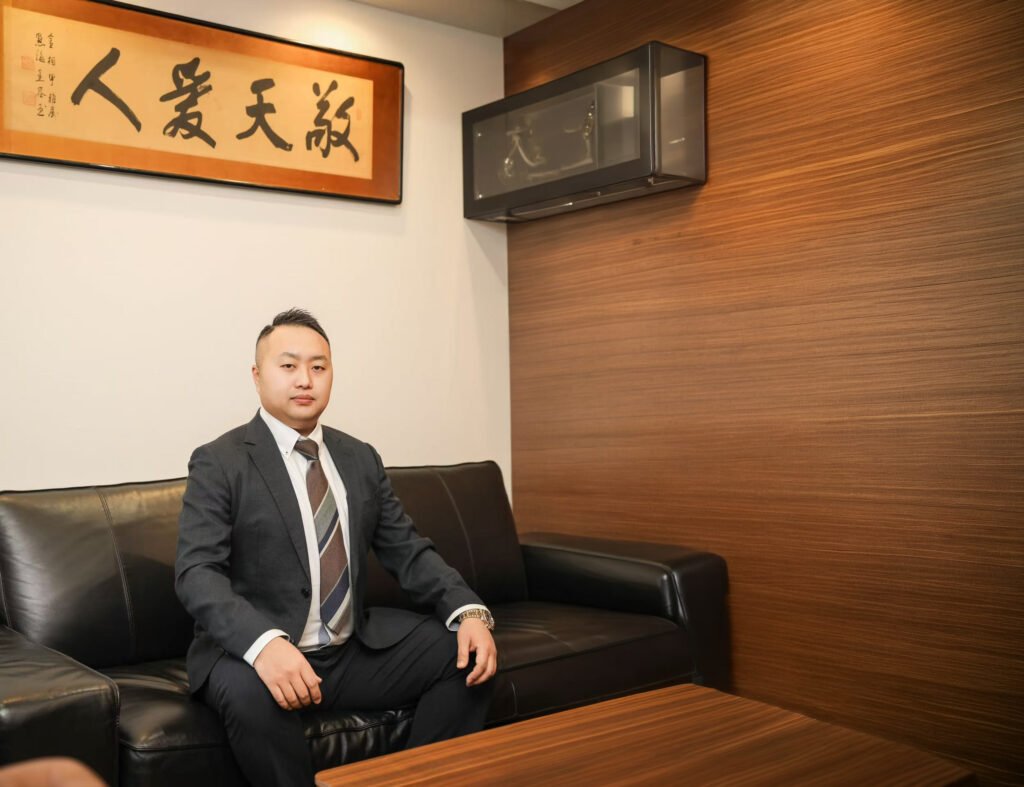
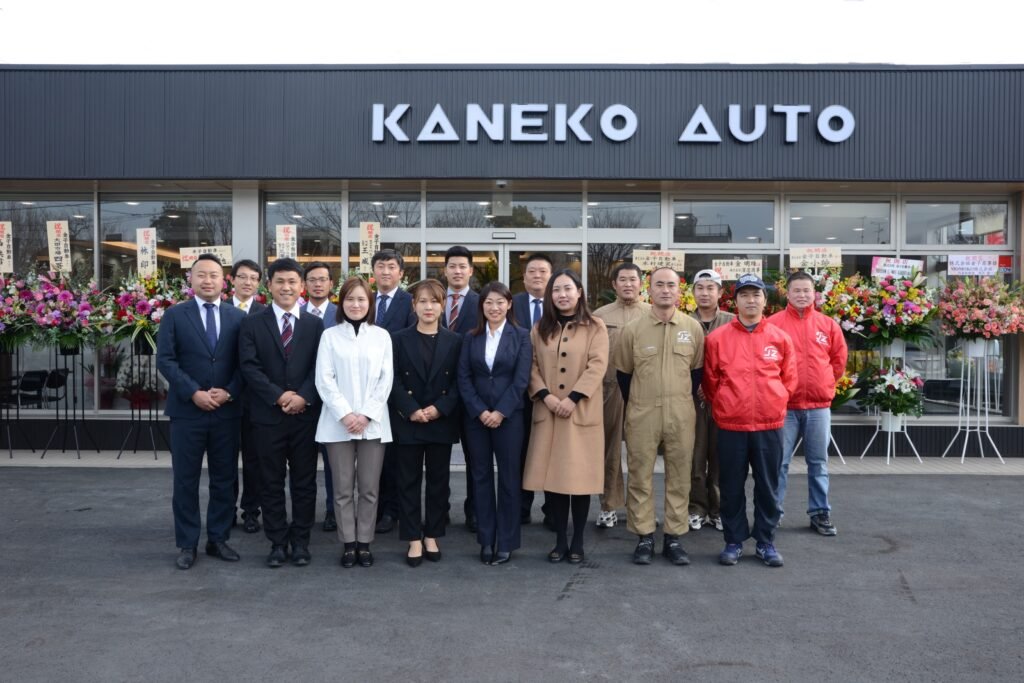
The company is Kaneko Motors. Its owner, Kaneko, is Chinese and has operated the business in Japan for ten years.
“Why do customers come here instead of going to a major dealership?” a reporter asked.
Kaneko answered simply: “We’ve been doing this for ten years. Our reputation is decent. Most customers come through referrals.”
In Japan’s used-car business, however, the phrase “through referrals” carries considerable weight.
From “Sell One and Move On” to “Sell One and Keep One Customer”
When Kaneko Motors first started ten years ago, its business model was not very different from many Chinese-run used-car dealerships in Japan: buy vehicles at auction, repair and prepare them, then resell them.
“We started by buying older, rough-condition cars and selling them to customers,” Kaneko recalled. But he soon realized the problem. Older cars meant higher failure rates. “If you sell ten cars, several of them may end up having problems.”
That model could not scale, because every vehicle sold also carried the risk of consuming customer trust. Kaneko Motors therefore changed its approach. Today, most of the cars it sells have mileage below 30,000 kilometers, while vehicles with more than 50,000 kilometers are relatively rare.
“Cars with only a few thousand kilometers or under 30,000 kilometers are still affordable for customers, but they also have a much lower failure rate,” Kaneko said.
The logic is straightforward: profit on each vehicle may be slightly lower, but customer satisfaction is higher, referrals increase, and the business becomes more stable over time.
“We Try to Solve What Customers Worry About Before Delivery”
What worries people most when buying a used car in Japan? Price, mechanical problems, and whether anyone will take responsibility after the sale.
Kaneko Motors tries to make each stage more transparent. When a vehicle enters inventory, sales staff first inspect its condition. After a customer places an order, the car is sent to the workshop for a legally required inspection. The condition of tires, brakes and other key components is recorded item by item.
“For example, if a tire has 4 millimeters of tread left, that is still usable. Legally, below 1.6 millimeters is not allowed. We give customers a clear record instead of just handing over the car and considering the job finished,” Kaneko said.
The report is given directly to the customer. Items are clearly marked to show what needs replacement, what can still be used and the degree of wear. “We understand the condition, and the customer understands it too.”
The relationship does not end when the car leaves the dealership. Every vehicle receives a free inspection and maintenance check during the first month after delivery, and customers can return whenever they discover a problem.
“A used car sale does not end when the car is sold,” Kaneko said. “What customers are worried about should be solved as much as possible before delivery.”
Building Trust in Japan Takes More Effort
In Japan, trust carries particular weight. For a Chinese entrepreneur operating in the used-car industry, the initial barrier can be even higher: customers may already be cautious about second-hand dealers, and foreign ownership can add another layer of scrutiny.
Kaneko does not avoid that reality. He says the company has survived for ten years because it has tried to avoid giving customers the feeling of a one-off transaction.
“Most customers come through referrals. You cannot deceive people. You cannot treat it as a one-time deal.”
A customer who recommends Kaneko Motors to a friend, colleague or neighbor is effectively lending the company part of their own credibility. There is no shortcut to earning that kind of endorsement. It can only be built by preparing each car properly, serving each customer carefully and following up after every sale.
From Selling Cars to Full-Cycle Service
Kaneko Motors is no longer simply a used-car dealership.
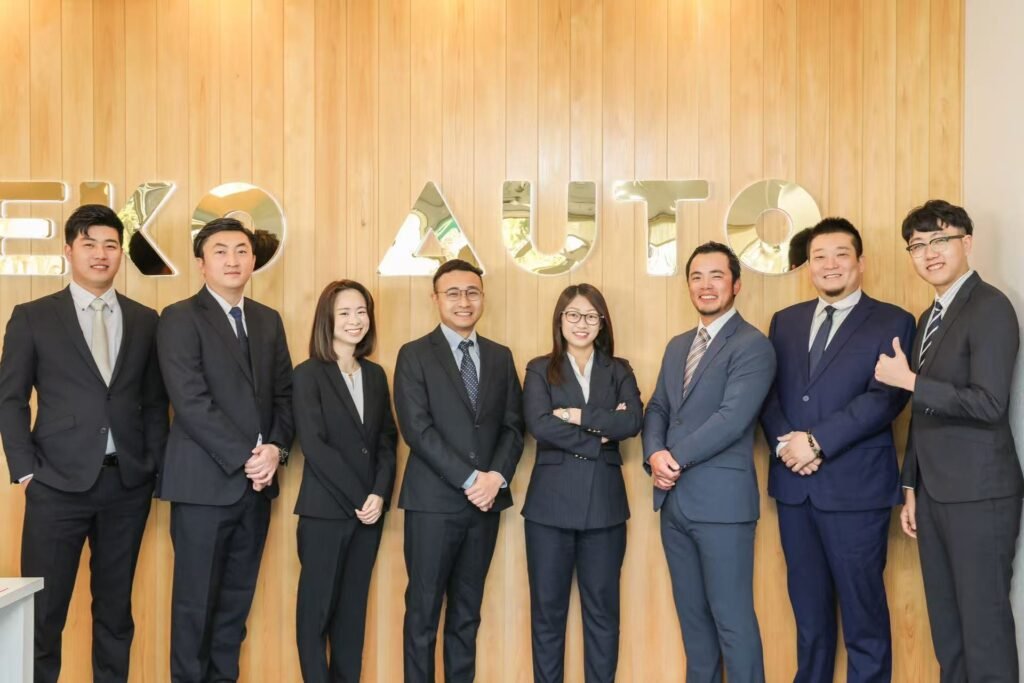
The company now operates its own bodywork and paint workshop with around 12 employees and eight work bays, handling accident repairs, insurance repairs, bodywork, painting and towing. As the business expanded, its original repair space became insufficient, so part of the site was converted into a car-wrapping and film shop offering heat-insulation window film, transparent paint-protection film and color-change wraps.
This means Kaneko Motors has built a full service chain covering vehicle purchasing, sales, insurance, preparation, repair, bodywork, painting, detailing and after-sales support.
“Selling a car is not the end of the transaction,” Kaneko said.
That sentence may explain why the company has been able to remain in the Japanese market for a decade.
Commentary | Trust Is the Hardest Currency for Chinese Businesses Overseas
For a foreign-owned company in Japan, earning the trust of local customers often requires more effort than it does for a local business. That is not a tragic narrative; it is simply a market reality.
Kaneko Motors illustrates a basic principle: in a mature market, trust is not created through advertising, nor is it won through price competition. It is built one car at a time and one customer at a time.
A referral is valuable because a customer is willing to attach their own reputation to yours. That kind of endorsement is more effective than most marketing — and far harder to earn.
Chinese companies expanding overseas often focus on how to enter a market, acquire customers or control costs. Kaneko Motors’ ten-year experience points to a more fundamental question: how do you make a stranger willing to trust you?
The answer is not hidden in business tricks. It is in the inspection report for every car, every follow-up phone call, and even the bouquet handed over on delivery day.
Trust comes slowly. But once established, it becomes one of the deepest competitive advantages a business can have.