Winners of “China Plus One” | Indonesia’s Bid to Become the “OPEC of Nickel”
By Wan Ge in Tokyo
Indonesia holds the world’s largest nickel reserves, accounting for roughly 42% of the global total. More than 60% of refined nickel and a similar share of battery-grade nickel feedstock now come from industrial parks in Indonesia with major Chinese investment.
In the first half of 2025, overseas sales of nickel products reached $16.5 billion, overtaking coal to become Indonesia’s largest source of export earnings.
A decade ago, however, Indonesia was mainly exporting raw ore at low prices. The turning point came in 2014, when Jakarta banned nickel ore exports and forced foreign investors to process more of the resource domestically.
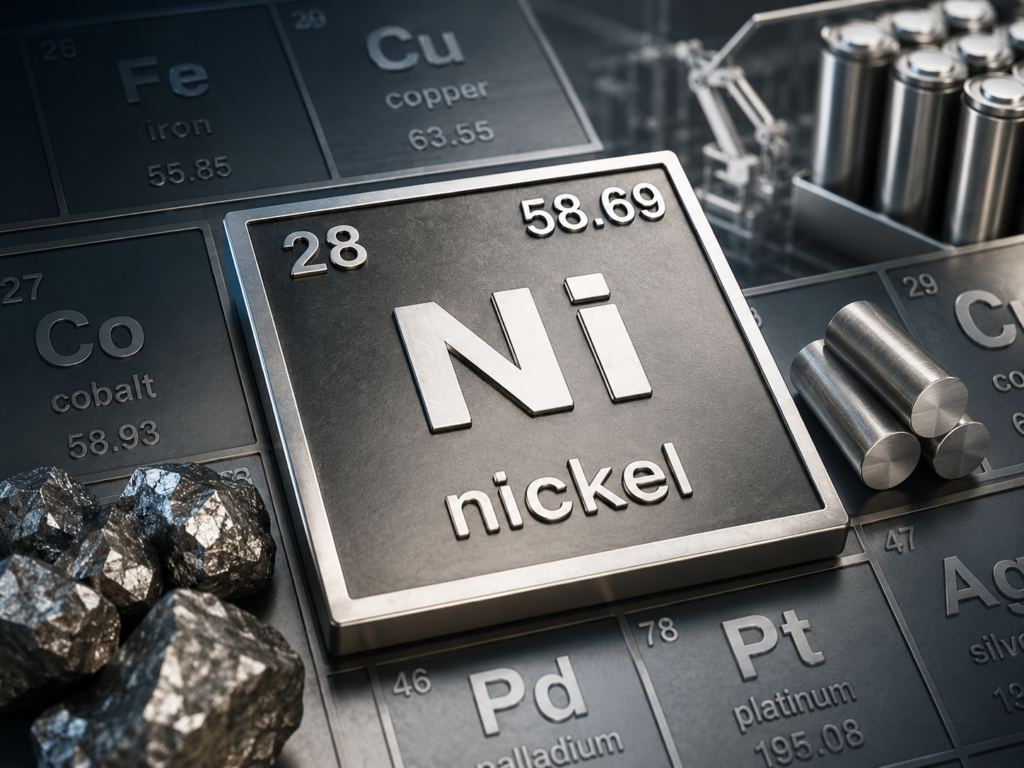
China Plus One Built the Nickel Industry
While some international mining companies pulled back, Chinese firms stayed.
Since 2013, companies including Tsingshan, Huayou Cobalt, GEM and CATL have invested more than $14 billion in Indonesia. Their capital and technology helped establish a full nickel-processing chain, from mining and smelting to battery materials and precursor production.The result was dramatic. Indonesia’s nickel exports rose from about $5 billion to more than $30 billion within a decade.
For China, the arrangement secured access to a strategic battery material. For Indonesia, it created an industrial base that did not previously exist.
Indonesia Now Wants a Larger Share
After benefiting from years of Chinese investment, Jakarta is changing the rules.
In early 2026, the government cut annual nickel mining quotas from 379 million tonnes to around 250–270 million tonnes. Quotas at the Weda Bay mining area were reportedly reduced from 40 million tonnes to 12 million tonnes.Indonesia also tightened pricing rules, expanded the metals included in benchmark calculations, strengthened foreign-exchange retention requirements and introduced new export controls.The strategy is clear: by controlling raw-material supply, Jakarta hopes to increase domestic margins and force more value-added production to remain inside the country.
President Prabowo Subianto has openly acknowledged that Indonesia benefited from production shifts associated with the “China Plus One” strategy. But after securing that investment, Indonesia now wants a larger share of the profits.
Chinese Companies Push Back
The policy shift has triggered a growing backlash from Chinese investors.
In May 2026, the Chinese Chamber of Commerce in Indonesia sent a joint letter to Prabowo, warning about tighter regulation, inconsistent enforcement, corruption risks and declining policy predictability.The chamber argued that new mining and pricing rules could undermine both existing projects and future investment. According to reports cited in the article, some cost increases have been severe enough to threaten the commercial viability of battery-nickel projects.
More importantly, some Chinese companies have begun reconsidering whether to remain.Reports of one Chinese-backed smelting operation dismantling and shipping equipment back to China have become a symbol of the new phase in the relationship: Chinese capital is no longer automatically willing to accept every new condition.
The Ambition to Become the “OPEC of Nickel”
Indonesia’s goal goes beyond battery production.
Jakarta increasingly wants to become a rule-setter in the global nickel market. By controlling production quotas, domestic pricing and exports, it hopes to influence global nickel supply and support higher prices for Indonesian producers.
That ambition has prompted comparisons with OPEC.Nickel is already the top priority among Indonesia’s 15 downstream-processing sectors, while Chinese investment remains deeply embedded in the industry. In the past five years, around 44% of Chinese investment in Indonesia has reportedly gone into downstream nickel smelting.
That dependence gives Indonesia leverage—but also creates risk.Chinese companies have already committed large amounts of fixed capital to mines, smelters, infrastructure and industrial parks. Jakarta is betting that high exit costs will keep them in place.
At the same time, Indonesia is diversifying its partnerships.Its economic agreement with the European Union is intended to expand market access, while new cooperation with India includes investment in nickel processing and stainless-steel production.
Indonesia is therefore trying to move beyond its role as a simple “China Plus One” destination. It wants to work with China, Europe and India simultaneously and use its resource advantage to negotiate from a stronger position.
From Resource Supplier to Rule-Setter
Indonesia’s rise is one of the clearest examples of how “China Plus One” can transform a resource economy.
Chinese capital, technology and industrial know-how helped turn the country from a raw-ore exporter into the world’s largest nickel-processing centre. Now Indonesia wants to use that new position to rewrite the terms of the relationship.From the 2014 ore-export ban to the quota cuts and tighter export controls of 2026, Indonesia has moved through three stages: resource exporter, processing hub and aspiring rule-setter.
But that strategy carries an obvious risk.If Chinese investors begin to leave, Indonesia will have to answer a difficult question: who will replace the capital, technology and industrial capacity that helped build its nickel boom in the first place?